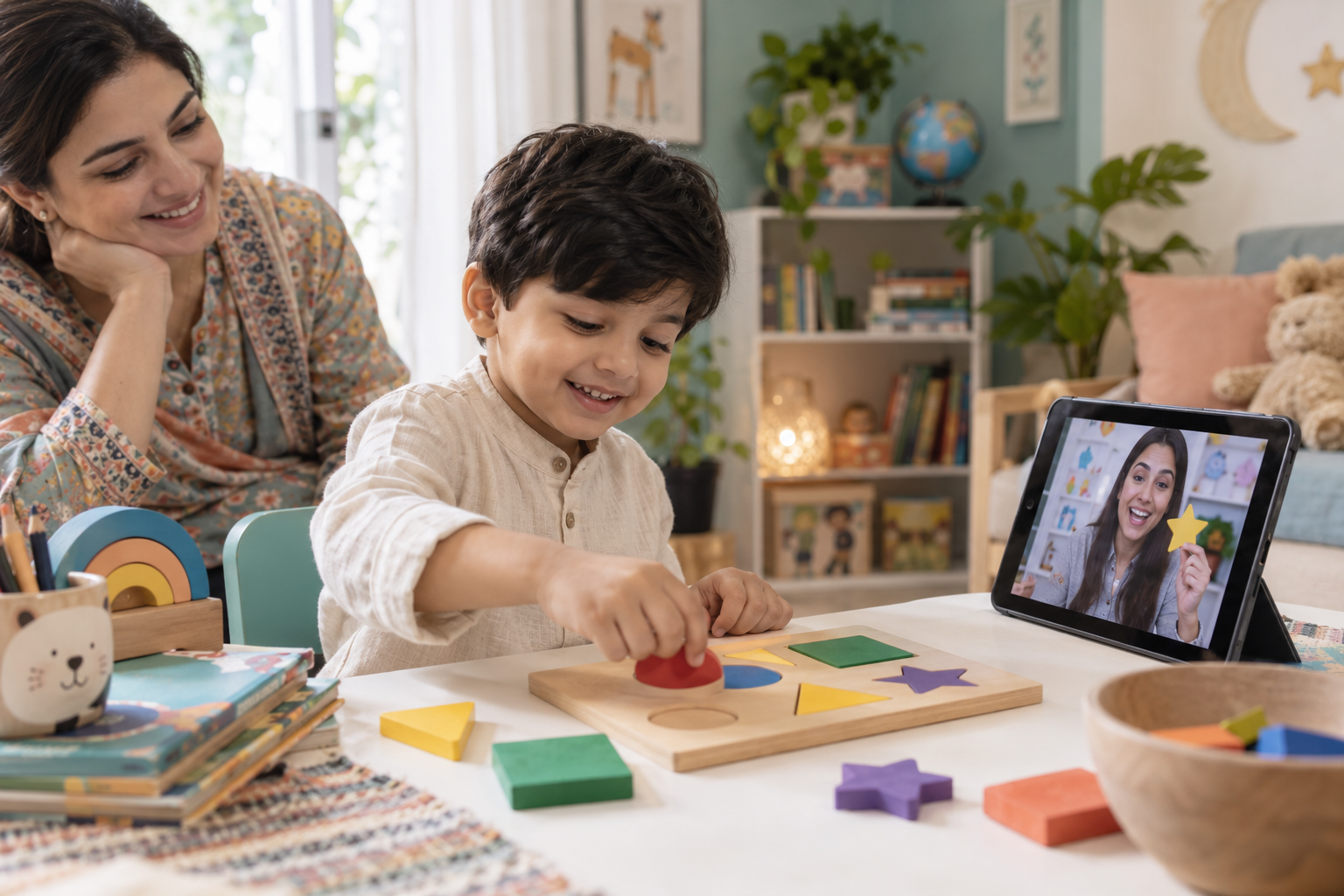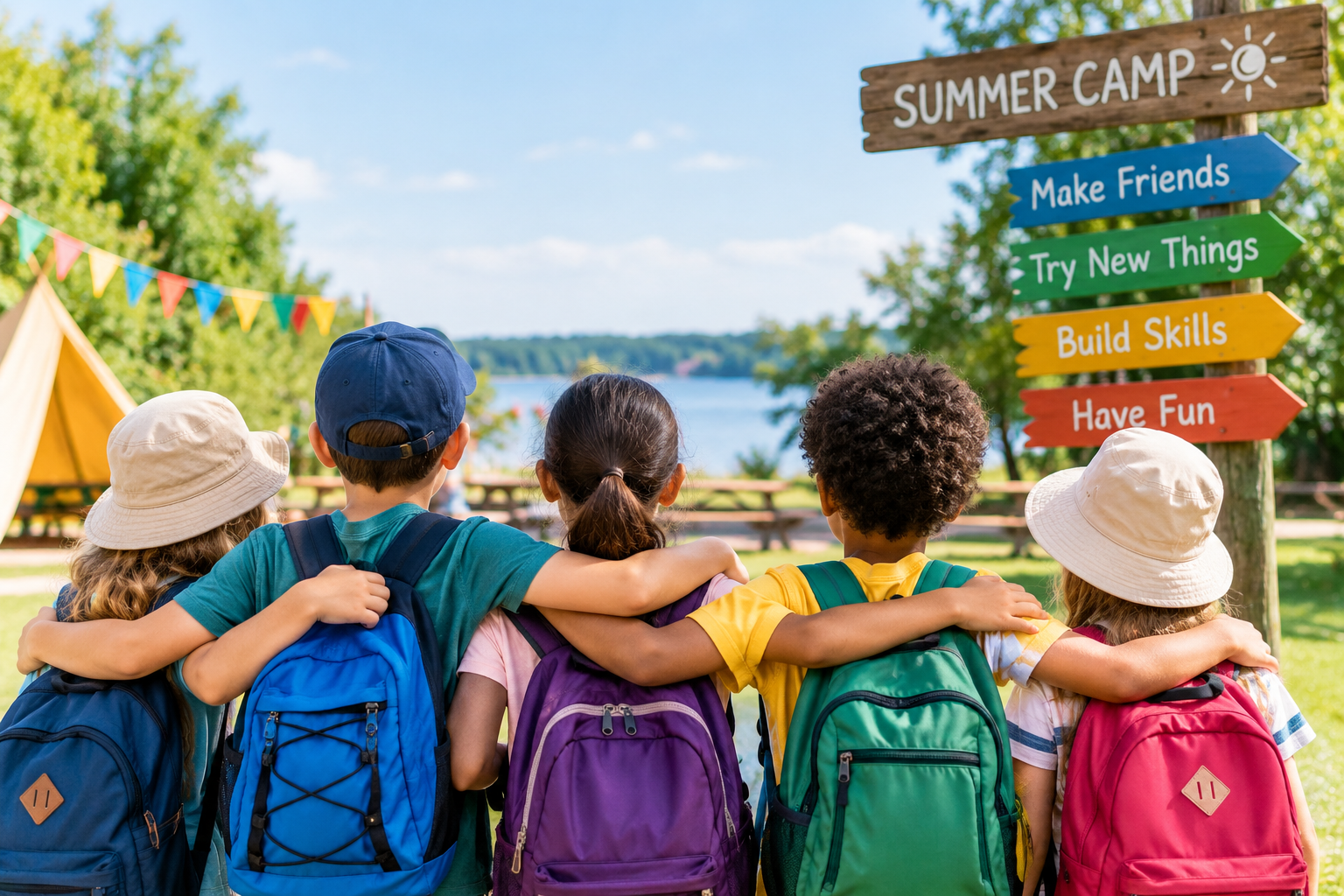

Child practising independent learning skills at home

How to Build Independent Learning Skills in Children: A Parent’s Guide for 2026

Child practising independent learning skills at home

Introduction:

Every parent wants their child to become confident, capable, and ready to face new challenges. However, helping children succeed at school involves more than completing homework and preparing for exams. Children also need to learn how to organise their work, solve problems, ask questions, and take responsibility for their progress.

Developing independent learning skills for children helps them become more confident in their ability to learn. Instead of waiting for adults to provide every answer, children gradually learn to make decisions, explore ideas, and recognise when they need help.

These skills are especially important in modern education, where children may learn through traditional classrooms, online lessons, educational activities, and independent projects. With the right guidance, parents can help children develop habits that support their education and lifelong learning.

Why Independent Learning Skills for Children Matter?

Independent learning means being able to take an active role in the learning process. Children learn to understand tasks, manage their time, explore information, and check their own progress.

This does not mean children should study without teachers or parental support. Instead, it means they gradually become more capable of handling age-appropriate responsibilities while knowing when to ask for assistance.

For example, a child who receives a school assignment might begin by reading the instructions, identifying what needs to be completed, and deciding which task to tackle first. If something is difficult, the child may try a different approach before asking for help.

According to the OECD’s research on lifelong learning, effective learning involves strategies, motivation, and confidence in one’s ability to improve. These qualities help children become more active participants in their education.

Why Independent Learning Matters for Children

Independent learning supports more than academic achievement. It helps children develop habits they can use in everyday life, at school, and as they grow older.

When children learn to organise their responsibilities, they begin to understand how their choices affect their progress. Completing a task independently can also strengthen their confidence and encourage them to try unfamiliar activities.

Independent learning can help children develop problem-solving, time management, decision-making, and self-reflection skills. These abilities become increasingly useful as schoolwork grows more complex and children take on greater responsibility.

It is important to remember that independence develops gradually. A young child may need reminders to complete a simple activity, while an older student may be ready to plan a study session. Parents should adjust their expectations to suit each child’s age, needs, and abilities.

7 Ways to Build Independent Learning Skills for Children

1. Create a Consistent Learning Routine

Children often find it easier to manage their responsibilities when they know what to expect. A simple daily routine can help them understand when it is time to attend lessons, complete assignments, read, play, and rest.

Parents can work with their children to create a realistic schedule. Younger children may benefit from a visual timetable, while older students can use a calendar or planner.

The goal is not to fill every hour with structured activities. Children also need free time and opportunities to make their own choices. A flexible routine provides direction without making learning feel overwhelming.

2. Encourage Children to Set Small Goals

Goal setting helps children understand what they want to achieve and what steps they need to take. Large assignments can feel difficult when children do not know where to begin.

Parents can help by breaking tasks into manageable goals. For example, a child working on a school project might first choose a topic, then collect information, organise ideas, and prepare the final work.

Celebrate progress rather than focusing only on the final result. When children recognise the effort they put into a task, they can begin to connect consistent practice with improvement.

Over time, children can take more responsibility for setting their own goals and reviewing whether they have achieved them.

3. Let Children Solve Problems Before Giving Answers

It is natural for parents to want to make difficult tasks easier for their children. However, providing an immediate answer to every question can limit opportunities to practise independent thinking.

Instead, encourage children to explain what they already know and what they have tried. Questions such as “What could you try next?” or “Where might you find more information?” can help them think through a problem.

This approach does not mean leaving children frustrated or refusing assistance. Offer hints, explain unfamiliar concepts, and provide support when necessary.

The aim is to help children understand the process of solving problems, rather than simply memorising answers.

4. Develop Time Management Habits

Time management helps children balance school responsibilities with rest, hobbies, family activities, and play.

Parents can introduce simple habits, such as checking a daily task list, preparing learning materials in advance, or estimating how long an assignment might take.

For younger children, these habits may involve a short activity followed by a break. Older students can learn to divide larger assignments into smaller tasks and allow extra time for unexpected difficulties.

Children will not always follow their plans perfectly. Treat mistakes as opportunities to discuss what worked, what caused delays, and how they might organise their time differently next time.

5. Make Reading and Curiosity Part of Everyday Life

Independent learners do not rely only on formal lessons to explore new ideas. They ask questions, investigate subjects that interest them, and look for explanations.

Parents can support this curiosity through shared reading, educational games, conversations, simple experiments, and visits to libraries or museums. Everyday activities can also become learning opportunities when children are encouraged to observe and ask questions.

For example, cooking together can introduce measurements, following instructions, and basic mathematics. Planning a family outing can involve reading maps, comparing options, and organising a schedule.

The purpose is to show children that learning is connected to the world around them, not limited to textbooks and assignments.

6. Teach Children to Review Their Own Progress

Children need opportunities to understand what they have learned and identify areas where they need additional support.

After an activity, parents can ask what the child found easy, what was challenging, and what they would like to practise again. Older children can keep a simple learning journal or review completed assignments.

Self-reflection helps children recognise their strengths while understanding that mistakes are a normal part of learning.

Parents should keep feedback specific and constructive. Rather than saying that a child is naturally good or bad at a subject, focus on the strategies used, the progress made, and the next steps available.

7. Support Independence During Online Learning

Online education can provide opportunities for children to practise organisation, communication, and responsibility. However, access to a computer and online lessons alone does not automatically develop these skills.

Children benefit from clear instructions, age-appropriate learning tasks, teacher feedback, and a suitable study environment. Parents can support this process by helping children prepare their materials, understand their schedules, and ask teachers questions when they need clarification.

It is also important to maintain a healthy balance between online learning, physical activity, social interaction, and sleep.

Younger children will generally need more supervision, while older students may gradually manage more of their schedules. The appropriate level of independence depends on the child’s development and the demands of the learning activity.

The Role of Parents in Independent Learning

Parents remain important partners in a child’s educational development, even as the child becomes more independent.

A supportive home environment provides children with encouragement, clear expectations, and opportunities to practise making decisions. Regular conversations about school can also help parents understand what their children find interesting or difficult.

The OECD’s research on children’s early learning and development highlights the value of supportive home learning environments, including shared reading, meaningful conversations, and everyday learning activities.

Parents can use these ideas without creating a complicated teaching routine at home. Listening to a child’s questions, discussing a school topic, or allowing them to complete an appropriate task independently can all contribute to learning.

The key is to balance guidance with opportunities for children to practise their own skills.

How Online Schools Can Encourage Independent Learning

A well-structured online learning environment can give children regular opportunities to manage tasks, participate in lessons, communicate with teachers, and review their progress.

However, the quality of the educational experience matters more than the delivery method alone. Children still need effective teaching, suitable activities, feedback, and interaction with others.

When considering an online school, parents should look at how lessons are organised, how teachers support students, how progress is monitored, and how much independence is expected at different ages.

They should also ask how the school supports children who struggle with motivation, organisation, or particular subjects.

For families exploring online education, ThreeX Academy can be a starting point for learning more about educational options that suit their children’s needs. Parents should review the school’s programmes, teaching approach, and support arrangements to determine whether they are a good fit for their family.

Common Mistakes to Avoid When Teaching Independence

One common mistake is expecting children to manage responsibilities before they have learned the necessary skills. Independence requires practice, so parents should introduce new responsibilities gradually.

Another mistake is correcting every small error immediately. While some mistakes require prompt attention, others can provide useful opportunities for reflection and problem-solving.

Parents should also avoid comparing siblings or classmates. Children develop organisational skills, confidence, and motivation at different rates.

Finally, independence should not be confused with doing everything alone. Children need guidance, encouragement, and access to support when a task is beyond their current abilities.

A balanced approach helps children become more capable without making them feel that asking for help is a failure.

Conclusion: Help Your Child Become a Confident Learner

Building independent learning skills for children takes time, patience, and consistent encouragement. Simple routines, achievable goals, problem-solving activities, and regular reflection can help children take greater responsibility for their education.

Parents do not need to remove every obstacle or supervise every task. Instead, they can provide the structure and support children need to practise making decisions, learning from mistakes, and recognising their progress.

Whether children attend a traditional school or learn through an online programme, these skills can support their educational journey. By encouraging curiosity, confidence, and responsibility today, parents can help children develop habits that remain useful throughout their lives.

Explore ThreeX Academy to learn more about its educational approach and available learning options for your child.
Homeschooling vs Virtual School: Key Differences for Parents

Introduction

Parents have more educational choices than ever before. Alongside traditional classrooms, families can consider homeschooling and virtual school as alternative ways for children to learn.

Although both options allow children to study at home, they are not the same. Homeschooling generally gives parents greater responsibility for planning and managing education. Virtual school usually involves an organized online learning program, often with teachers, scheduled lessons, assignments, and assessments.

Understanding homeschooling vs virtual school can help parents choose an approach that matches their child’s learning needs, their family’s routine, and their educational goals.

What Is Homeschooling?

Homeschooling is an educational approach in which parents or guardians take primary responsibility for their child’s education outside a conventional school setting.

Depending on the family’s approach and local requirements, parents may select a curriculum, organize lessons, choose learning materials, and monitor academic progress. Some families teach their children directly, while others use tutors, educational resources, online courses, or a combination of methods.

Homeschooling allows families to adapt lessons to a child’s interests, learning pace, and individual needs. For example, a child who enjoys science may spend additional time on experiments and practical projects while receiving extra help with a more challenging subject.

However, homeschooling requires planning and consistent involvement. Parents need to consider curriculum coverage, assessment, learning resources, social activities, and any applicable legal or registration requirements.

What Is a Virtual School?

A virtual school provides education through an online learning environment. Depending on the institution, students may attend live classes, complete assignments, access recorded lessons, or combine several learning methods.

Many virtual schools provide a structured curriculum and teachers who guide students through lessons and assess their progress. Parents may still need to help with schedules, technology, and learning routines, particularly when children are younger.

The exact structure varies between schools. Some follow a fixed timetable similar to a traditional classroom, while others offer more flexible arrangements.

Virtual schooling can be useful for families who want their children to learn at home while following an organized educational program. However, parents should examine the curriculum, teacher support, academic recognition, and assessment arrangements before choosing a school.

Homeschooling vs Virtual School: The Main Differences

The most important difference is who organizes and delivers the education.

With homeschooling, parents generally have more control over the curriculum, teaching methods, resources, and daily schedule. With virtual school, the institution usually provides the learning structure and determines how lessons and assessments are organized.

FactorHomeschoolingVirtual school
CurriculumOften selected or organized by parentsUsually provided by the school
TeachingParents, tutors, or chosen resourcesSchool teachers, digital lessons, or both
ScheduleOften highly customizableDepends on the school’s timetable
Parent involvementUsually substantialVaries by age and program
AssessmentsArranged according to the chosen approach and requirementsUsually organized by the school
Learning resourcesSelected by the familyOften supplied or recommended by the school
Social interactionUsually arranged through outside activities and groupsMay include virtual group activities and classmates
Academic recognitionDepends on the pathway and applicable requirementsDepends on the institution and its recognition

These are general differences rather than universal rules. Some homeschooling families use highly structured curricula, while some virtual schools offer considerable flexibility.

1. Which Option Offers More Flexibility?

Flexibility is one of the main reasons parents consider home-based education.

Homeschooling often gives families considerable freedom to decide when, where, and how lessons take place. Parents can adjust the pace of learning, spend additional time on challenging subjects, and connect lessons with everyday experiences.

Virtual schools may also offer flexible schedules, but the level of freedom depends on the program. A school with scheduled live lessons requires students to attend at specific times, while a self-paced program may allow more independent study.

Before choosing either option, consider your family’s daily routine. Think about work schedules, extracurricular activities, travel, and the amount of structure your child needs to stay engaged.

2. How Does the Learning Experience Differ?

Homeschooling can be highly personalized. Parents may use books, educational websites, practical activities, projects, and tutoring to build a learning plan around their child.

This approach can work well when parents have the time and resources to organize lessons. However, creating a balanced curriculum across several subjects may require considerable preparation.

Virtual schooling offers a different kind of structure. Students usually follow a program designed by an educational institution, with lessons, learning materials, and assessments arranged according to its approach.

The quality of the experience depends on how the program is delivered. Parents should investigate whether the school encourages participation, provides useful feedback, and offers support when students struggle.

Neither approach guarantees better learning outcomes. Consistency, teaching quality, suitable resources, and individual support matter in both.

3. How Much Time Do Parents Need to Invest?

Parent involvement is an important factor when comparing these two options.

In homeschooling, parents usually have a central role in organizing the learning experience. Depending on the child’s age and the teaching arrangement, they may need to plan lessons, explain concepts, prepare activities, track progress, and arrange assessments.

Virtual schooling can reduce some of this organizational workload because the school may provide the curriculum, lessons, assignments, and teacher guidance.

However, online schooling does not remove the need for parental involvement. Younger children may need help logging in, following instructions, completing tasks, and managing their schedules.

Parents should honestly assess the time they can provide. The best educational arrangement is one that can be maintained consistently without creating unrealistic expectations for the family.

4. What About Costs?

The cost of homeschooling and virtual schooling varies considerably.

Homeschooling expenses may include books, curriculum materials, educational subscriptions, tutoring, practical learning resources, and examination fees. Costs depend on the resources parents choose and the educational requirements they need to meet.

Virtual schools may charge tuition or enrollment fees. Families may also need suitable devices, reliable internet access, learning materials, and examination arrangements.

It is useful to compare the total expected cost rather than looking at one fee in isolation. Parents should ask what is included in the program and whether additional payments may be required.

Remember that affordability should be considered alongside educational quality, the time needed from parents, and the support available to the child.

5. Can Children Build Social Skills in Both Settings?

Social development is an important part of childhood education.

Children can develop communication, cooperation, and conflict-resolution skills through interactions with classmates, friends, relatives, and community members.

In homeschooling, parents often need to arrange social opportunities through sports, clubs, group activities, community programs, and educational meetups.

Virtual schools may offer online group projects, class discussions, and other opportunities to interact with classmates. However, the amount of interaction differs between institutions, so parents should ask what is actually included.

Online interaction should not be the only consideration. Children also benefit from appropriate in-person activities and opportunities to build friendships outside formal lessons.

6. Which Option Provides Better Academic Support?

Academic support depends on the child’s needs and the quality of the educational arrangement.

Homeschooling gives parents the freedom to focus on particular subjects, change teaching methods, and arrange additional help where necessary. This can be useful for children who need a personalized pace of learning.

However, parents must ensure that the learning plan covers the necessary subjects and provides meaningful ways to evaluate progress.

Virtual schools may provide access to teachers, assignments, feedback, assessments, and organized learning materials. These services can help parents understand how their child is progressing.

Before enrolling, ask how students receive help, how often teachers provide feedback, and what happens when a child falls behind. If homeschooling, establish a clear process for reviewing progress and addressing learning gaps.

7. Consider Your Child’s Age and Independence

A child’s age and ability to work independently can influence which option is practical.

Younger children often need regular guidance, shorter learning activities, and help maintaining attention. Parents should consider how much supervision they can provide and whether the educational arrangement is suitable for their child’s developmental stage.

Older children may be able to manage assignments and schedules more independently, although they can still benefit from teacher feedback and parental guidance.

Some children enjoy taking responsibility for their learning, while others need regular reminders and direct support. Neither preference is a problem. The important thing is to choose an approach that helps the child learn effectively and develop greater independence over time.

8. Check Accreditation and Educational Requirements

Academic recognition deserves careful attention, especially if your child may later transfer schools, sit formal examinations, or apply to a university.

Homeschooling requirements vary by country and sometimes by region. Parents should check the relevant rules concerning compulsory education, registration, approved curricula, and examinations.

Virtual schools also differ in their recognition and qualifications. An online program is not automatically accredited simply because it offers classes or certificates.

Before making a decision, verify the institution’s credentials and confirm that its academic pathway meets your child’s future educational needs.

This step is particularly important for families who live in one country but are considering an institution based in another.

How to Decide Between Homeschooling and Virtual School

Start by identifying what your family needs most.

If you want greater control over lessons and are prepared to manage the curriculum, homeschooling may be worth exploring. If you prefer an organized program with school-provided lessons and teacher guidance, virtual school may be a better fit.

Next, evaluate your available time, budget, technology, and child’s learning preferences. Compare the actual programs you are considering rather than relying only on general descriptions of homeschooling or online education.

Ask for curriculum information, teacher details, assessment policies, fees, and evidence of any claimed academic recognition. If possible, speak with families who have experience with the specific program.

You should also consider the long-term plan. Think about how your child will progress to the next grade, complete any required examinations, and transition to further education if needed.

Explore Online Learning Options With ThreeX Academy

Finding the right educational pathway starts with understanding your child’s needs and the support your family can provide.

ThreeX Academy offers a starting point for parents exploring educational resources and learning options. Review the academy’s available programs and verify the specific teaching arrangements, curriculum, and academic requirements before deciding whether a particular option is suitable for your child.

Whether you choose homeschooling, virtual school, or another educational pathway, focus on providing a consistent learning environment that supports curiosity, confidence, academic development, and healthy social interaction.

Frequently Asked Questions

Is homeschooling the same as virtual school?

No. Homeschooling generally places parents in charge of organizing education, while virtual school usually provides an organized program through an educational institution. However, some families combine homeschooling with online courses.

Is virtual school easier than homeschooling?

Not necessarily. Virtual school may reduce the work involved in planning a curriculum, but students still need to complete assignments and manage their learning. Homeschooling can offer more freedom but often requires greater parental planning.

Do homeschooled children need to follow a curriculum?

That depends on the educational requirements where the family lives and the pathway selected. Parents should check applicable laws and ensure that their child’s learning covers the subjects and assessments needed for future education.

Can a child move from homeschooling to virtual school?

In many cases, a transition may be possible, but requirements vary by school and location. Parents should ask about placement assessments, previous academic records, grade eligibility, and curriculum alignment.

Which option is better for working parents?

A structured virtual school may be more manageable for some working parents because it can provide lessons and academic organization. However, scheduled classes, supervision needs, and independent study requirements must still fit the family’s routine.

How to Choose an Online School in 2026: A Parent’s Guide

Introduction:

Choosing the right school is one of the most important decisions parents make for their children. However, education no longer happens only inside a traditional classroom. Online schools now give families another way to access lessons, communicate with teachers, and organize their children’s learning.

Still, choosing an online school requires careful consideration. Some programs offer live lessons with teachers, while others rely mainly on recorded videos and independent study. The curriculum, teaching quality, student support, and daily schedule can also differ significantly.

If you are wondering how to choose an online school, this guide explains the key factors to consider before making a decision in 2026.

1. Understand How to Choose an Online School by Your Child’s Learning Needs

Before comparing schools, consider your child’s individual needs. Every child learns differently, and a school that works well for one student may not be the best choice for another.

Some children enjoy independent activities and can manage their schedules with limited supervision. Others benefit from regular teacher interaction, structured lessons, and reminders to complete their work.

Think about your child’s learning preferences, current academic progress, interests, and areas where additional support may be needed. Also consider whether your child needs a more flexible schedule because of family travel, extracurricular activities, or other circumstances.

Understanding these needs will help you narrow your options and identify a learning environment that supports your child’s development.

2. Check the Curriculum and Academic Standards

A reliable online school should explain what students learn, how lessons are organized, and how academic progress is measured.

Review the curriculum before enrolling. Check whether it covers the subjects your child needs and whether the learning objectives are appropriate for their age and grade level. If you expect your child to transfer to another school or apply to a particular educational program later, confirm that the curriculum meets the relevant requirements.

You should also ask how students complete assignments, prepare for assessments, and receive feedback. A well-organized curriculum should provide a clear learning pathway rather than a collection of disconnected online activities.

Parents should not assume that every online school follows the same academic standards. Verify the school’s recognition, accreditation, or examination arrangements where these are important to your family.

3. Look at the Teaching Method

The way lessons are delivered can have a major influence on your child’s learning experience.

Some online schools provide live classes where students can interact with teachers, ask questions, and participate in classroom discussions. Other programs use recorded lessons that students can watch according to their schedules. Some combine both methods.

Consider which approach suits your child’s needs. Live teaching can provide structure and immediate opportunities to ask questions. Recorded lessons can offer flexibility, especially when students need to revisit a difficult topic.

Ask whether teachers explain concepts, encourage participation, and provide opportunities for practice. You should also find out how students receive help when they do not understand a lesson.

The goal is to find a teaching approach that encourages genuine understanding, not simply the completion of online assignments.

4. Evaluate Teacher Support and Communication

Online education should not leave children feeling that they must solve every problem alone.

Before choosing a school, find out how teachers communicate with students and parents. Ask whether students can receive feedback on assignments, request clarification, and discuss areas where they are struggling.

It is also useful to understand how parents are informed about academic progress. Regular updates can help families identify challenges early and work with teachers to address them.

Check whether the school has a clear process for answering questions, resolving technical problems, and communicating important announcements. A responsive support system can make online learning easier for both students and parents.

5. Understand the Daily Schedule

Flexibility is one reason families consider online education. However, flexibility does not mean that every online school offers the same schedule.

Some schools follow fixed class times, while others provide greater freedom over when students complete their work. Before enrolling, review the timetable and check whether it fits your family’s routine.

Consider your child’s school hours, sleep schedule, extracurricular activities, and time for outdoor play. If your family lives in a different time zone from the school’s teachers, confirm that live lessons take place at suitable times.

A realistic schedule should balance academic responsibilities with rest, physical activity, family time, and social interaction.

6. Review Class Interaction and Social Opportunities

Parents sometimes worry that online schooling may reduce opportunities for children to interact with other students.

The amount of interaction depends on how the school is organized. Some programs include group discussions, collaborative projects, virtual activities, and opportunities to work with classmates. Others focus mainly on individual assignments.

Ask how students communicate and cooperate during lessons. Find out whether the school encourages respectful discussions and teamwork.

You should also consider how your child will maintain friendships and participate in activities outside lessons. Sports, community programs, creative clubs, and regular time with family and friends can help provide social experiences beyond the classroom.

A good educational plan considers both academic learning and a child’s broader development.

7. Check the Technology Requirements

Online education depends on reliable access to appropriate technology.

Find out which devices students need, what internet connection is recommended, and whether specific applications or learning platforms are required. Ask whether lessons can be accessed through a tablet or whether a computer is necessary.

Parents should also check the school’s arrangements for technical support and missed lessons. If your internet connection is unreliable, ask whether recorded lessons or alternative learning materials are available.

Online safety deserves attention as well. Review how the school protects student information, manages access to its learning platforms, and communicates its online safety expectations.

Preparing these details in advance can reduce avoidable interruptions.

8. Compare Fees and Additional Costs

The total cost of an online school may include more than tuition.

Ask for a clear explanation of enrollment charges, learning materials, examination fees, technology requirements, and any other additional expenses. If the school offers different payment plans, review their conditions before making a commitment.

It is also important to understand what the fees include. For example, determine whether teacher support, assessments, learning resources, and parent communication are part of the standard program.

Compare schools based on the quality and suitability of the education they provide, not price alone. A lower fee is not necessarily better value if the program does not meet your child’s academic needs.

9. Ask About Assessments and Academic Progress

Parents need a clear way to understand whether their children are learning effectively.

Ask how the school measures progress. Depending on the program, this may include quizzes, assignments, projects, examinations, teacher feedback, or periodic progress reports.

Find out how the school responds when a student falls behind. Does it provide additional explanations, learning resources, or opportunities to review difficult concepts?

Progress should be evaluated through more than completed assignments. Your child should gradually develop understanding, confidence, and the ability to apply what they have learned.

10. Request a Demonstration or Trial Where Available

Reading a school’s website can help you understand its offering, but seeing how a lesson works can provide additional insight.

If a demonstration or trial class is available, use it to evaluate the teaching style, learning platform, and level of interaction. Observe whether explanations are clear and whether your child feels comfortable participating.

Prepare questions before the session. Ask about the curriculum, teacher qualifications, class arrangements, student support, and expectations for parents.

You should also read the enrollment terms carefully. A trial session can be useful, but it does not replace checking the school’s academic credentials and policies.

Is Online Schooling Right for Every Child?

Online schooling can suit children who benefit from flexible learning arrangements, access to digital resources, or a different educational environment. It may also help families whose circumstances make traditional attendance difficult.

However, online education requires planning and appropriate support. Younger children may need more adult supervision, while some students learn more comfortably through direct classroom interaction.

The right decision depends on the child’s needs, the quality of the school, and the family’s ability to support the learning routine.

Parents should compare the available options carefully instead of assuming that online or traditional schooling is automatically better for every student.

Explore Learning Options With ThreeX Academy

Choosing an educational pathway begins with understanding your child’s needs and the learning environment that can support them.

ThreeX Academy families can explore the academy’s educational resources and available learning options to better understand their choices. Before enrolling, review the specific program details, curriculum, teaching arrangements, and student support services to determine whether they match your family’s requirements.

The most suitable educational choice is one that supports your child’s academic progress, curiosity, confidence, and overall development.

Frequently Asked Questions

What should parents look for when choosing an online school?

Parents should review the curriculum, teaching methods, teacher support, academic assessments, schedule, technology requirements, fees, and relevant accreditation or recognition.

Is live teaching better than recorded online lessons?

Both approaches can be useful. Live lessons allow direct interaction, while recorded lessons provide flexibility and opportunities to review material. The best choice depends on the student’s learning needs and the school’s overall teaching approach.

How can parents support children in online school?

Parents can establish a consistent routine, provide a suitable learning space, check progress regularly, encourage breaks and physical activity, and communicate with teachers when support is needed.

How can parents check whether an online school is credible?

Review its curriculum, teacher information, academic policies, accreditation or recognition claims, contact details, privacy policies, and enrollment terms. Verify important claims independently before enrolling.

Can children socialize while attending an online school?

Yes. Children can build social connections through group learning activities, extracurricular clubs, sports, community programs, and regular interaction with friends and family.

How Parents Can Help Kids Build Digital Literacy Skills in 2026

Help Kids Build Digital Literacy Skills in 2026 by teaching children how to use technology safely, identify reliable information, think critically, and communicate responsibly online. As digital tools and artificial intelligence become part of everyday learning, parents play an important role in helping children develop the skills they need to navigate the digital world confidently.

What Is Digital Literacy for Kids?

Digital literacy for children means having the knowledge and skills to use digital devices, online platforms, and technology responsibly.A digitally literate child can learn how to search for information, understand basic online safety, communicate appropriately, and recognize that not everything found online is accurate.These skills develop gradually. A young child may begin by learning how to use a keyboard or navigate an educational platform, while an older child may learn how to evaluate online information or use digital tools for school projects.The goal is not to give children unlimited access to technology. Instead, parents can help them learn how to use technology thoughtfully.

Why Are Digital Literacy Skills Important for Kids?

Technology is increasingly connected to education. Children may use online classrooms, digital assignments, educational videos, collaborative documents, and learning platforms as part of their school experience.Strong digital literacy skills for kids can help children become more confident when using these tools.

Digital literacy can also support:

Independent learning
Research skills
Communication
Problem-solving
Creativity
Online safety
Critical thinking
Responsible technology use

When children understand how technology works and how to use it appropriately, they can become more active learners rather than simply passive users of digital content.

Why Digital Literacy Matters for Children in 2026

Technology is becoming increasingly connected to education and everyday activities.
Children may use digital platforms to complete schoolwork, research topics, collaborate with classmates, or develop new interests.

Strong digital literacy skills for kids can help them become more confident when using technology while also teaching them to think carefully about what they see and do online.

Digital literacy can also support important skills such as critical thinking, problem-solving, communication, creativity, and decision-making. Instead of simply consuming digital content, children can learn to question information, create their own work, and use technology as a learning tool.

Teach Kids How to Find Reliable Information

The internet contains a huge amount of information, but not everything children find online is accurate. Parents can help children understand that information should not automatically be trusted simply because it appears in a search result.

When children research a topic, parents can encourage them to compare information from different reliable sources. They can also teach children to look at who created the content, when it was published, and whether the information is supported by evidence.

Simple conversations about online information can gradually build critical thinking skills and help children become more careful digital learners.

Help Children Understand Online Safety

Online safety is an important part of digital literacy skills for kids. Children should understand why personal information needs to be protected.

Parents can teach children not to share private details such as passwords, home addresses, school information, or other sensitive information with strangers online.

Children should also know that they can talk to a trusted adult if something online makes them uncomfortable, confused, or worried.

Rather than making technology seem frightening, parents can create an open environment where children feel comfortable discussing their online experiences.

Teach Responsible Digital Communication

Digital literacy also involves understanding how to communicate respectfully online.

Children may communicate through educational platforms, messaging tools, games, or other digital services. Parents can explain that the same basic principles of kindness and respect apply online as they do in face-to-face conversations.

Teaching children to think before posting, avoid hurtful language, respect other people's privacy, and consider how their messages may affect others can help them become responsible digital communicators.

Encourage Kids to Create Instead of Only Consume

One of the best ways to develop digital literacy skills for kids is to encourage them to become creators.

Instead of only watching videos or playing games, children can use technology to make presentations, create digital artwork, write stories, build simple projects, or explore beginner coding activities.

Creative digital activities give children opportunities to experiment, solve problems, and communicate their ideas. They also help children understand that technology can be used for much more than entertainment.

Introduce Children to Artificial Intelligence Carefully

Artificial intelligence is becoming an increasingly visible part of children's digital environment in 2026. Parents can help children understand that AI tools can be useful, but their answers should not automatically be accepted as correct.

Children can learn to ask questions, check information, and use AI as a learning support rather than simply copying its responses.

The goal is to help children develop both technology skills and independent thinking. AI should support curiosity and learning while children continue to use their own reasoning and creativity.

Make Digital Learning a Family Activity

Parents do not need to be technology experts to support their children's digital learning.

Families can explore educational websites, digital creativity tools, coding activities, online research projects, or age-appropriate learning platforms together.

Working together allows parents to understand what their children are learning while children can ask questions and develop confidence.

Family learning can also turn technology into a shared educational experience rather than something children use completely independently.

Choose Age-Appropriate Digital Activities

Children have different learning needs at different ages. A young child may benefit from simple educational games, digital storytelling, and guided activities, while older children may be ready for coding, research, presentations, and more advanced digital projects.

Parents should consider whether an activity is suitable for their child's age, interests, and ability level.

The quality of a child's digital experience matters more than simply increasing the amount of technology they use. Purposeful activities can make screen time more meaningful and educational.

Balance Technology With Offline Learning

Developing digital literacy skills for kids does not mean children should spend all day using digital devices.

Children also need opportunities for physical activity, reading, creative play, face-to-face conversations, outdoor experiences, and hands-on learning.

A balanced routine allows technology to become one part of a child's education rather than replacing other important childhood experiences.

Parents can create clear routines around technology while making sure children have enough time for offline activities and family interaction.

Create Opportunities to Practice Digital Skills at Home

Digital skills improve through regular practice. Parents can give children small projects that allow them to use technology for meaningful purposes.

For example, a child could research an animal and create a short digital presentation. Another child could design a simple story, explore beginner coding, or create a digital poster about a school topic.

These activities can help children practice searching, evaluating information, creating content, solving problems, and communicating ideas.

Prepare Children for a Digital Future

Technology will continue to change, and children will need to adapt to new digital tools throughout their education and future careers.

The purpose of digital literacy skills for kids is therefore not to teach children how to use every technology available today. Instead, it is to give them the confidence and thinking skills they need to learn and adapt as technology changes.

Parents can support this development by encouraging curiosity, responsible technology use, critical thinking, creativity, and safe online habits.

Conclusion

Parents can help kids build digital literacy skills in 2026 by encouraging critical thinking, practising online safety, and guiding children towards responsible technology use. With regular practice and age-appropriate activities, children can become more confident and responsible digital learners.

Coding for kids 2026 developing future-ready skills in 2026

The Ultimate Guide to Coding for Kids: Build Future-Ready Skills 2026

Coding for Kids: A Parent’s Guide to Building Future-Ready Skills

Coding for kids 2026 is becoming an increasingly valuable way for children to explore technology, creativity, and problem-solving.. As technology becomes an important part of everyday life, education, and future careers, learning how technology works can provide children with valuable skills.

Coding is no longer only a skill for future programmers. It can help children develop creativity, logical thinking, problem-solving, and confidence. Through age-appropriate coding activities and engaging learning programs, children can build valuable skills while having fun and exploring their own ideas.

What Skills Can Coding for Kids 2026 Develop?

Coding teaches children how to give instructions, understand patterns, solve problems, and create something from an idea. Instead of simply using technology, children can learn how technology works and how they can use it to create.

The importance of coding skills for kids in 2026 goes beyond learning a programming language. Coding can support important skills that children can use at school, in creative activities, and later in their professional lives.

Coding Builds Problem-Solving Skills

One of the biggest benefits of coding is that it encourages children to solve problems systematically. When a program does not work as expected, children have to identify the problem, think about possible solutions, and try again.

This process helps children understand that mistakes are part of learning. With regular practice, coding can make problem-solving feel like an interesting challenge rather than something to avoid.

Learning to Think Step by Step

Coding requires children to follow instructions in a logical order. They learn that completing one step correctly can help them move toward a larger goal.

This step-by-step approach can also support learning in other subjects. Children become more comfortable breaking complicated tasks into smaller and more manageable steps.

Breaking Big Problems Into Smaller Tasks

A large problem can sometimes feel difficult when viewed as one task. Coding teaches children to divide that problem into smaller parts.

For example, creating a simple digital project may require planning the characters, movements, instructions, and final result separately. Children can then work on each part until the complete project comes together.

Encouraging Logical Thinking

Logical thinking is another important part of coding education for kids 2026. Children learn to recognize patterns, understand cause and effect, and make decisions based on specific instructions.

These abilities can support children as they approach challenges in mathematics, science, technology, and everyday situations.

Building Confidence Through Practice

Learning something new does not always happen immediately. Coding gives children opportunities to experiment, make changes, and improve their projects.

When children see their own ideas become working digital projects, they can develop a greater sense of achievement and confidence in their ability to learn.

Coding Encourages Creativity

Coding is not only about logic. It can also be a creative activity where children turn their imagination into digital projects.

Children can create stories, animations, games, interactive activities, and other projects depending on their age and learning level. This combination of creativity and technology makes coding an engaging way to develop future-ready skills for kids 2026.

What Skills Can Coding for Kids 2026 Develop?

The benefits of coding extend beyond computers. Well-designed coding classes for kids in 2026 can help children develop a combination of technical, creative, and personal skills.

Critical Thinking and Logic

Coding encourages children to ask questions, examine problems, identify patterns, and make logical decisions. These skills can help them approach unfamiliar challenges with greater confidence.

Creativity and Innovation

Children can use coding to experiment with their own ideas. They can decide what they want to create and explore different ways of achieving their desired result.

This makes coding a useful activity for encouraging imagination and innovation alongside technical learning.

Problem-Solving and Decision-Making

Coding projects often involve challenges that require children to make decisions. They may need to determine what went wrong, select a different approach, and test the result.

Parents exploring coding for kids 2026 should consider their child’s age, interests, and learning level. Repeated practice can help children become more comfortable with challenges and develop a positive attitude toward problem-solving.

Communication and Collaboration

Many coding projects can be completed as group activities. Children can share ideas, discuss solutions, divide tasks, and work toward a common goal.

These experiences can strengthen communication and teamwork, which are among the essential skills for kids in 2026.

When Should Kids Start Learning Coding?

There is no single age that is right for every child. The best starting point depends on the child’s age, interests, attention span, and learning level.

The key is to make coding education for kids 2026 age-appropriate, interactive, and enjoyable rather than treating it like an advanced academic subject.

Coding for Younger Children

Younger children can begin with simple activities that introduce basic concepts such as sequencing, patterns, instructions, and cause and effect.

Visual coding tools and games can make these concepts easier to understand because children can learn through interaction rather than complicated text-based programming.

Coding for School-Age Children

Older children can gradually explore more advanced concepts and work on larger projects. Depending on their level, they may learn programming fundamentals, create interactive projects, or explore different areas of technology.

The goal should be steady skill development rather than rushing children into advanced programming.

How Coding Classes Help Children Learn

Structured learning can make it easier for children to develop coding skills consistently. The best coding classes for kids 2026 should focus on practical learning, age-appropriate activities, and opportunities for children to experiment.

Learning Through Projects and Activities

Children often learn effectively when they can apply what they have learned. Instead of only reading about coding concepts, project-based activities allow them to use those concepts in practical situations.

Projects can also make learning more enjoyable because children can see the results of their work.

Turning Ideas Into Digital Projects

One of the exciting parts of coding is seeing an idea become something interactive. Children can start with a simple concept and gradually develop it into a digital project.

This approach connects creativity with technology and supports the development of coding and digital skills for kids 2026.

How to Choose the Right Coding Program for Your Child

Parents have many options when looking for coding programs. Choosing the right program involves considering how the classes are designed and whether they match the child’s age and learning needs.

Age-Appropriate Learning

A good program should introduce concepts at a level children can understand. Younger learners may benefit from visual and activity-based learning, while older children can gradually explore more advanced coding concepts.

Practical and Engaging Activities

Look for programs that give children opportunities to create, experiment, and solve problems. Practical activities can make technology easier to understand and keep children engaged during learning.

Supportive Learning Environment

Children learn best when they feel comfortable asking questions and making mistakes. A supportive environment can encourage curiosity and help children develop confidence as they learn new concepts.

How Threex Academy Helps Kids Develop Future-Ready Skills

Threex Academy focuses on helping children explore learning through technology, creativity, and innovation. Its programs can provide children with opportunities to develop skills that are increasingly valuable in a digital world.

Coding and Digital Learning

Through coding and technology-focused activities, children can begin developing digital skills for kids in 2026 in an engaging and age-appropriate environment.

The focus is not simply on teaching children how to code but on helping them understand how technology can be used to create, explore, solve problems, and develop new ideas.

Developing Skills Beyond Coding

Coding can be one part of a broader learning experience. By combining technology with creativity, problem-solving, and collaboration, children can develop skills that support their learning both inside and outside the classroom.

Final Thoughts on Coding for Kids in 2026

Coding can give children more than technical knowledge. It can provide opportunities to develop logical thinking, creativity, problem-solving, communication, and confidence. With the right approach, coding for kids 2026 can help children develop valuable digital and problem-solving skills.

For parents, the goal should not necessarily be to make every child a programmer. Instead, coding can be introduced as an engaging way for children to understand technology, explore ideas, and develop future-ready skills for kids 2026.

With age-appropriate activities, practical projects, and a supportive learning environment, children can gradually build digital skills while enjoying the process of learning and creating. Digital learning can provide children with opportunities to develop technology skills alongside other forms of learning. Parents can also explore guidance from UNICEF on digital learning and children.

Coding for kids 2026 developing future-ready skills in 2026
online schooling in 2026

Online Schooling in 2026: Proven Benefits for Your Child

online schooling in 2026

Introduction:

Education is changing quickly, and online schooling in 2026 is becoming more than simply watching lessons on a screen. Today, virtual study can include live classes, interactive activities, digital resources, teacher feedback, personalized learning and carefully selected technology.

For parents exploring online schooling in 2026, understanding these changes can help them choose a learning environment that fits their child’s needs.

Why Online Schooling in 2026 Is Growing?

Online schooling is a form of education where students learn through digital platforms instead of attending a traditional physical classroom every day. Depending on the school, children may attend live virtual classes, complete independent activities, communicate with teachers and submit assignments online.

A well-designed virtual school should still provide structure, curriculum-based learning and regular teacher support. Technology is the delivery method, but teaching remains at the centre of the experience.

Why Virtual Study Is Growing in 2026

Virtual study continues to develop as technology becomes more integrated into education. In Pakistan, efforts to strengthen distance learning are also receiving attention. In 2026, Cambridge reported working with Pakistan’s Ministry of Federal Education and Professional Training on national standards and an assessment framework intended to make distance learning more consistent and trusted. (Cambridge University Press)

This reflects a broader shift toward flexible learning options that can support children who cannot always access a traditional school environment.

AI Is Becoming Part of Digital Learning

One of the biggest online schooling trends in 2026 is the growing discussion around artificial intelligence. AI can potentially support teachers and students with personalized learning experiences, feedback and educational activities.

However, technology should not replace genuine learning. The OECD’s 2026 Digital Education Outlook emphasizes that AI can support learning when it is used with clear educational goals and teacher guidance. (OECD)

For children, this means AI should be used carefully and appropriately rather than simply providing ready-made answers.

Personalized Learning Is Becoming More Important

Every child learns differently. Some children need additional practice, while others may be ready to move ahead more quickly.

Modern online schooling can make it easier for teachers to provide different resources and activities according to individual learning needs. Digital platforms can also help teachers monitor assignments and identify areas where students may need additional support.

This can make virtual study more flexible while maintaining educational structure.

Live Classes Still Matter

Although online education uses technology, children still need meaningful interaction with teachers and classmates.

Live virtual classes allow students to ask questions, participate in discussions and receive explanations in real time. Teacher interaction can also help children stay engaged and understand that online schooling is not simply independent screen time.

A strong virtual learning environment therefore combines digital resources with real teacher involvement.

Digital Skills Are Becoming Essential

Children are growing up in a world where digital tools are increasingly part of education and everyday life. Learning through an online school can help students become comfortable with responsible technology use.

In 2026, AI literacy is also becoming an important educational topic. The OECD and European Commission have highlighted the need for students to understand AI, evaluate its outputs critically and use it responsibly. (OECD)

These skills can complement traditional abilities such as reading, writing, creativity and problem-solving.

Parents Still Have an Important Role

Successful virtual study does not mean parents have to become teachers. However, younger children often benefit from having a consistent study space, predictable routine and appropriate support at home.

Parents can help by checking schedules, encouraging regular breaks and communicating with teachers when their child needs additional help.

The goal is to create a balanced environment where children can learn independently while still having the support they need.

What Should Parents Look for in 2026?

When choosing an online school, parents should look beyond the technology. Consider the curriculum, teacher qualifications, class size, live interaction, assessment methods, communication with parents and technical support.

It is also worth asking how the school approaches AI, digital safety and student engagement. The OECD’s latest research emphasizes that digital education should remain human-centred and protect learners’ privacy, safety and learning needs. (OECD). As online schooling in 2026 continues to evolve, families have more options for flexible and technology-supported education.

The Future of Online Schooling

Online schooling in 2026 is evolving from simple digital lessons toward more interactive, flexible and personalized learning experiences. Virtual study can give families additional educational options while technology continues to develop.

The most valuable approach is not necessarily using the most technology. It is using technology purposefully, with qualified teachers, meaningful interaction and a clear focus on children’s learning.

For parents exploring education options in 2026, understanding these changes can make it easier to choose a virtual school that supports both academic development and responsible digital learning.


homeschooling vs virtual school

Homeschooling vs Virtual School: 7 Amazing Differences Every Parent Should Know

homeschooling vs virtual school
Illustration: families can combine home learning with teacher support.

Homeschooling vs Virtual School: 7 Essential Differences for Parents

Homeschooling vs virtual school is an important comparison for parents deciding how their child should learn at home. Both approaches can support learning outside a traditional classroom, but they can differ in structure, teacher involvement, flexibility and the amount of time parents need to provide.

Before choosing an approach, parents should consider who plans the lessons, who teaches the child, how progress is assessed and how well the learning routine fits the child’s needs and family schedule.

What Is Homeschooling?

Homeschooling usually means that parents or caregivers take the main responsibility for their child’s education. They may choose learning resources, plan lessons, organise the daily schedule and support the child during activities.

Some homeschooling families also use tutors, online classes or educational programs for particular subjects. This can give families more flexibility when planning the learning day.

One benefit of homeschooling is that families can often adapt the pace and activities to the child’s interests and needs. However, it can also require significant planning, time and involvement from an adult at home.

What Is a Virtual School?

A virtual school provides structured learning through online classes and digital platforms. Depending on the program, students may attend live lessons with teachers, complete assignments and receive feedback on their progress.

The level of structure can vary between virtual schools. Some provide lessons for only certain subjects, while others offer a more complete school-day program.

Parents should check whether the program provides live teacher interaction, regular assessments, learning materials and support. They should also ask about registration, examinations and certification if these are important for their child’s education.

Homeschooling vs Virtual School: Key Differences

The biggest difference is often who manages the learning process. In homeschooling, parents or caregivers generally have a larger role in planning and teaching. In virtual school, the school or program usually provides the curriculum, timetable and teacher-led lessons.

Flexibility can also differ. Homeschooling may allow families to adjust learning times more freely. A virtual school may have scheduled classes that children are expected to attend.

Parent involvement remains important in both approaches, especially for younger children. However, the type of support may be different. A homeschooling parent may spend more time preparing and teaching lessons, while a virtual-school parent may focus more on helping the child attend classes, complete activities and stay organised.

Which Option May Suit a Primary Child?

There is no single option that works for every child or family. When considering homeschooling vs virtual school, parents should look at their child’s age, learning style, independence and need for teacher interaction.

Some children may enjoy regular live classes and conversations with teachers and classmates. Other children may benefit from a more flexible learning routine that allows activities to be adjusted around family commitments.

For younger children, learning should also include appropriate breaks, hands-on activities, reading, creative work and offline play rather than relying only on screen-based activities. Parents can also review the World Health Organization’s guidance on physical activity, sedentary behaviour and sleep for children when planning a balanced daily routine.

Parents can make a more informed decision by asking for a sample weekly schedule, reviewing the subjects offered and speaking with the teacher or learning provider before enrolling.

Questions Parents Should Ask Before Choosing

Before making a decision, parents can ask:

  • Who plans and teaches the lessons?
  • How much time should parents expect to provide each day?
  • Are lessons live, recorded or a combination?
  • How is the child’s progress assessed?
  • What learning materials are included?
  • Is the program suitable for the child’s age?
  • Are there examinations, certification or formal registration options?

These questions can help families understand what the day-to-day experience will actually look like.

How Threex Academy Supports Different Learning Needs

Families looking for additional support can explore different learning options through Threex Academy. Its virtual school provides structured online learning, while its homeschooling support can help families who want additional educational guidance.

For children who benefit from more individual attention, one-to-one online lessons can provide teacher support around specific learning needs and goals.

Parents can also contact Threex Academy to discuss their child’s age, learning goals, available subjects, timings, books, assessment and fees before choosing an option.

Making the Right Choice for Your Family

Understanding the differences between homeschooling vs virtual school can help parents choose a learning approach that fits their child’s needs and family routine. Consider the amount of structure needed, the level of teacher support, the flexibility required and the time parents can realistically provide.

Rather than focusing only on the name of the learning model, look closely at how lessons are delivered and what support your child will receive. A clear understanding of the daily routine can help parents choose an approach that is practical, supportive and suitable for their child’s stage of learning.Parents can contact Threex Academy to discuss their child’s learning needs and available options.

can a 3-year-old learn online

Online Preschool for 3-Year-Olds: The Ultimate Guide to Successful Early Learning

can a 3-year-old learn onlineIllustration: early learning should include play and hands-on discovery.

Can a Three-Year-Old Learn Online? A Parent’s Guide to Early Learning

Can a 3-year-old learn online? Yes, with the right expectations. At this age, online learning should involve short periods of human interaction, a familiar adult nearby, and plenty of time for playing and exploring away from the screen. A preschool program should not be a full day of passive video watching.

For young children, the goal is not to recreate a traditional school day through a screen. Instead, online preschool can provide opportunities for conversation, songs, stories, early literacy, simple number activities and guided play while leaving plenty of time for hands-on discovery.

What to Ask a Preschool Provider

Before choosing an online preschool program, parents should understand how the sessions are designed and what their child’s daily experience will look like.

Consider asking:

  • How long are live sessions, and what happens between them?

  • Will my child talk to the teacher and other children?

  • What household materials or books will we need?

  • How does the teacher adapt if my child is shy or restless?

  • How much support does a parent need to provide?

  • Will progress be described through real observations rather than grades alone?

These questions can help parents understand whether a program is designed around the needs of young children rather than simply delivering lessons through a screen.

Can a 3-Year-Old Learn Online? Start With the Child

When asking can a three-year-old learn online, it is important to consider the individual child rather than focusing only on age.

Some 3-year-olds may enjoy talking to a teacher, joining a song or responding to simple questions. Others may need more time to become comfortable with online interaction. Attention spans can also vary from one child to another.

A supportive preschool program should allow room for movement, play and exploration. Children should not be expected to sit still for long periods or complete activities designed for older students.

Parents can observe how their child responds to sessions and communicate with the teacher about what works well. A flexible approach can help make early online learning more comfortable and meaningful.

A Gentle Sample Rhythm

A simple routine can combine short online interaction with plenty of offline activities.

Begin with a greeting and song. Spend a brief live period on a story, letter sound or number idea. Then step away from the device for a movement game or another active activity. Children can use blocks, crayons, puzzles or household objects to practise what they have explored with the teacher.

The session can close with reading together or another calm activity.

The exact timing should suit the child and the teacher’s plan. The important point is to create a balanced rhythm rather than expecting a three-year-old to spend a large part of the day in front of a screen.

Why Hands-On Play Still Matters

Young children learn through more than formal lessons. Building with blocks, drawing, sorting objects, looking at books, singing songs and playing pretend can all support early development.

Online learning can introduce an idea, but children often need opportunities to explore that idea away from the screen. For example, after learning about shapes, a child could look around the home for objects with different shapes. After a story, they could draw a favourite character or act out part of the story.

This combination of teacher interaction and hands-on discovery can make learning more active and age-appropriate.

Parents may also find it useful to review the WHO guidance on physical activity, sleep and screen time for children under five when planning a balanced routine.

How Threex Academy Approaches Early Years

At Threex Academy, our virtual-school pathway is intended to include playgroup and preschool foundations from age three.

We discuss readiness, language development and family routine before suggesting a class. The aim is to understand what the child needs and how online learning can fit naturally into the family’s day.

PParents wondering can a 3-year-old learn online should consider their child’s attention span, comfort with technology and interest in teacher-led activities. If you would like to discuss your child’s needs, you can contact our team to learn more.

Making Online Preschool Work for Your Child

So, can a 3-year-old learn online? They can take part in meaningful online learning when the experience is designed appropriately for their age and supported by an adult.

When asking can a 3-year-old learn online, parents should look for short, engaging sessions that include interaction, play and hands-on activities.Make space for movement, play, reading and hands-on activities throughout the day. Most importantly, pay attention to your child’s responses and choose a routine that feels manageable for your family.

Online preschool does not need to replace childhood play. With the right approach, teacher interaction can become one small part of a wider early-learning experience.

virtual school in Pakistan

Virtual School in Pakistan: A Parent’s Guide to Consistent Learning

virtual school in Pakistan
Illustration: a teacher-led online classroom.

Virtual school in Pakistan can provide families with a structured learning routine when travel, weather or other disruptions make the regular school day unpredictable. A virtual school can offer live teaching and structure at home, provided it is designed around the child rather than a screen full of worksheets.

For many families, the right online learning approach should include teacher interaction, manageable live sessions, time away from the device and appropriate support from parents or caregivers.

What Should You Expect From a Virtual School in Pakistan?

Ask for a sample timetable. Primary pupils need a clear start, manageable live sessions, time to move, reading and hands-on tasks away from the device. Younger children need even more play and adult support. A good class gives each child chances to answer, ask questions and practise; it is more than watching a recorded lecture.

How to Choose the Right Virtual School in Pakistan

Choosing a virtual school in Pakistan requires more than checking the timetable or course list. Parents should look at how teachers communicate with children, how lessons are delivered and how progress is monitored over time. A smaller live class may give children more opportunities to participate, ask questions and receive feedback.

It is also worth asking how the school handles different learning needs. Younger children may need more guidance from an adult at home, while older pupils may be able to complete more tasks independently. Families should also understand the expected daily routine, technology requirements and what happens if a child misses a live lesson.

Before enrolling, ask the provider to explain the curriculum, class format, assessment process and parent communication. Taking time to understand these details can help families choose a learning arrangement that fits their child’s age, needs and home routine.

Five questions to ask before enrolling

  1. Who teaches the class? Ask about the teacher’s qualifications, experience and the number of children in each live session.
  2. What is taught? Request the grade-specific subject outline, books, learning goals and assessment approach. If you need a particular examination or certificate, ask how it is provided before paying.
  3. How will you hear about progress? Look for examples of teacher feedback and a regular parent update.
  4. What happens when connectivity fails? Ask how work is shared and how a missed class can be recovered.
  5. How much parent support is expected? A three-year-old and an older primary pupil have very different needs.

Keeping learning going during disruptions

UNICEF Pakistan has documented how flood risks can interrupt children’s access to school and how preparation, learning materials and temporary learning spaces help protect continuity. This does not mean every family should switch permanently to online school. It does show the value of a practical backup plan: keep a reading habit, a small set of offline activities, and a clear way to contact your child’s teacher.

At home, try a simple rhythm: a short teacher check-in, reading together, a maths game using household objects, movement, then independent drawing or writing. If conditions are unsafe, follow local official guidance first; learning can resume when the family is safe.

For families considering a virtual school in Pakistan, having a clear learning routine can make it easier to continue education when regular school attendance is disrupted.

How Threex Academy can help

Choosing a virtual school in Pakistan means looking at more than just online lessons. Parents should also consider teacher support, curriculum, class format, communication and the child’s individual learning needs.

We offer teacher-led virtual school, homeschooling support and one-to-one lessons. We begin by asking about your child’s age, level and goals, then explain the available timetable and learning plan. Contact us to request the current curriculum outline, class format and fees.

Further reading: UNICEF Pakistan, “Learning Through It All” (March 2026).

Children participating in a summer camp activity in 2026

How to Choose the Right Summer Camp for Your Child: Essential Guide 2026

Summer break gives children a chance to step away from their regular classroom routine, explore new interests, make friends, and develop valuable skills. Knowing how to choose the right summer camp for your child can help parents make a confident decision.For parents, however, How to Choose the Right Summer Camp for Your Child in 2026 can feel overwhelming. With so many programs available, how do you know which one will provide a meaningful experience for your child?

The best summer camps 2026 are not simply about keeping children busy during school holidays. A well-planned summer camp can combine learning, creativity, social interaction, and enjoyable activities in an environment where children can discover new interests.

If you’re planning your child’s summer, this guide will help you understand what to look for when choosing a summer camp and which factors can make a program worthwhile.

Children participating in a summer camp activity in 2026

Why Summer Camps Are Important for Children in 2026

Not every summer camp offers the same experience. Before registering your child, consider several important factors. Children today are growing up in a rapidly changing world. Alongside traditional academic knowledge, they increasingly need communication, creativity, teamwork, critical thinking, and digital skills.

Summer camps can give children opportunities to practise these skills outside the traditional classroom. Instead of simply reading about a concept, children may learn through activities, collaboration, projects, challenges, and hands-on experiences.

A good summer camp for kids can also provide a healthy balance between structured learning and enjoyable activities. This can make the summer break more productive while still allowing children to have fun and explore their interests.

For parents searching for summer camps for kids in 2026, the goal should therefore be more than finding a convenient schedule. It should be finding an experience that matches the child’s interests, age, abilities, and learning needs.

Children participating in a gardening activity at summer camp

What to Look for When Choosing a Summer Camp

Understanding how to choose the right summer camp for your child starts with considering their age, interests, and learning needs. Not every summer camp offers the same experience. Before registering your child, consider several important factors.

Age-Appropriate Summer Camp Activities

The activities should be suitable for your child’s age and development level. Younger children may benefit from creative, interactive, and activity-based experiences, while older children may enjoy projects that encourage greater independence and problem-solving.

Look for a program where activities are designed with the children’s age and interests in mind rather than simply offering the same experience to everyone.

Learning and Skill Development Opportunities

A summer camp can be an excellent opportunity for children to learn something new without the pressure of regular school.

Look for programs that encourage creativity, communication, collaboration, critical thinking, and practical problem-solving. Depending on the camp, children may also have opportunities to explore technology, science, arts, entrepreneurship, or other areas of interest.

The strongest educational summer camps aim to make learning engaging rather than making children feel as though they are simply attending another classroom.

Qualified Instructors and Mentors

The people leading the activities can have a major impact on a child’s experience.

Parents should consider whether instructors have appropriate experience working with children and whether they can create an environment that encourages participation, questions, creativity, and teamwork.

A supportive instructor can help children feel comfortable trying something new and participating in group activities.

Safety, Supervision, and Child Well-Being

Safety should always be one of the first things parents consider when choosing a summer camp.

Before registering, parents should understand how children are supervised, what safety procedures are followed, and how the program handles emergencies or unexpected situations.

A well-organised summer safety camp should make parents feel confident that children’s well-being is treated as a priority.

Camp Schedule and Program Flexibility

Consider whether the camp schedule works for your family’s routine.

Parents may want to look at the program’s dates, daily schedule, duration, activities, and registration requirements. It’s also worth considering whether the program provides enough variety to keep children interested throughout the experience.

What Skills Can Children Develop at Summer Camp?

One of the biggest advantages of summer camps is the opportunity to develop skills outside traditional academic subjects.

Communication and Social Skills

Group activities encourage children to communicate with others, share ideas, listen to different perspectives, and build new friendships.

These experiences can help children become more comfortable interacting with people outside their usual school environment.

Creativity and Critical Thinking

Creative activities can encourage children to experiment, ask questions, develop ideas, and look at problems from different perspectives.

Rather than focusing only on whether an answer is correct, activity-based learning can give children opportunities to explore how they think and create.

Children developing creativity and critical thinking through a STEM activity

Teamwork and Leadership

Many summer camp activities for kids involve collaboration. Children may need to work together, divide responsibilities, share resources, or contribute ideas to complete an activity.

These experiences can introduce children to teamwork and leadership in a natural and engaging way.

Problem-Solving and Decision-Making

Challenges and projects can encourage children to think through situations and find solutions.

Developing problem-solving skills during childhood can help children approach future challenges with greater confidence and persistence.

Digital and Future-Ready Skills

Technology continues to influence education and the workplace. For this reason, opportunities to develop digital literacy and other future-ready skills can be valuable additions to a child’s learning journey.

Parents can look for programs that introduce technology in an age-appropriate and purposeful way.

What should be done before considering any program

How to Choose the Right Summer Camp for Your Child in 2026 becomes easier when you know what your child needs from the experience.

Consider Your Child’s Interests

Start with your child.

What subjects, activities, or hobbies do they enjoy? A child who loves creating things may respond differently to a camp than a child who enjoys technology, science, sports, or collaborative activities.

When children are interested in what they are doing, they are more likely to participate actively.

Review the Camp Schedule and Duration

Make sure the dates and timings fit your family’s schedule.

You should also consider whether your child would be more comfortable with a shorter program or a longer experience.

Ask About Safety and Supervision

Avoid choosing a camp based on one factor alone.

Compare the activities, learning opportunities, schedule, environment, instructors, and overall suitability for your child. The most expensive or popular option isn’t automatically the best choice.

Questions Parents Should Ask Before Choosing a Summer Camp

Before registering, parents can ask:

What age groups does the camp accommodate?
What activities are included?
What skills can children develop?
Who leads the activities?
How are children supervised?
What does a typical camp day look like?
What are the program dates and timings?
What should children bring?
How does registration work?
What support is available if a child needs assistance?

Getting clear answers can make the decision easier and help ensure that the program matches your expectations.

How to Prepare Your Child for Summer Camp

Once you’ve selected a program, talk to your child about what they can expect.

Explain the basic schedule, activities, and goals of the camp. Encourage them to ask questions and share anything they may be nervous or excited about.

You can also help them prepare by discussing simple things such as meeting new people, participating in group activities, asking instructors for help, and trying unfamiliar activities.

The goal isn’t to make your child feel pressured to have a perfect summer. It’s to help them approach the experience with curiosity and confidence.

Child preparing for summer camp with a backpack and essentials

Why you should use threeX academy for your kids for summer camp 2026

Learning how to choose the right summer camp for your child can help you select a program that supports learning, confidence, and enjoyment is an important decision for parents who want their children to make good use of their school break.

ThreeX Academy’s focus on learning and modern education makes it a relevant option for families looking for opportunities that go beyond traditional classroom learning. Its existing public content highlights flexible, digital-first approaches to learning, reflecting the changing ways students engage with education.

For parents considering summer camps 2026, the best next step is to review ThreeX Academy’s current summer-camp information and choose the program that best matches their child’s interests and needs.

Final Checklist for Choosing a Summer Camp in 2026

Before making your final decision, consider:Is the camp suitable for your child’s age?

Does it include activities your child will enjoy?
Does it provide meaningful learning opportunities?
Are the instructors experienced?
Are safety and supervision clearly addressed?
Does the schedule work for your family?
Will your child have opportunities to interact with others?
Does the program support creativity and skill development?
Have you compared the available options?

A summer camp can be much more than a way to fill the school holidays. With the right program, children can explore new interests, meet new people, build confidence, and develop skills that can support them well beyond the summer.

How to choose the right summer camp for your child

Frequently Asked Questions About Summer Camps 2026

What age is best for summer camp?

There isn’t one perfect age for every child. The right time depends on the child’s independence, interests, comfort level, and the age range supported by the particular camp.

What activities are offered at summer camps?

Activities vary by program. They may include educational projects, creative activities, technology, science, teamwork, games, and other age-appropriate experiences.

What are the benefits of summer camps for children?

Summer camps can provide opportunities for children to develop communication, teamwork, creativity, confidence, problem-solving, and other practical skills while participating in enjoyable activities.

How do I choose the right summer camp for my child?

Choose a summer camp based on your child’s age, interests, safety, activities, schedule, and location. Look for a program that offers a healthy mix of learning, creativity, physical activities, and social development while providing a safe and supportive environment.

What skills can children learn at summer camp?

Depending on the program, children can develop communication, teamwork, creativity, critical thinking, problem-solving, leadership, and digital skills.

Are educational summer camps also fun?

Yes. Learning doesn’t have to feel like traditional classroom work. Well-designed summer camp activities can combine education, creativity, social interaction, and enjoyment.