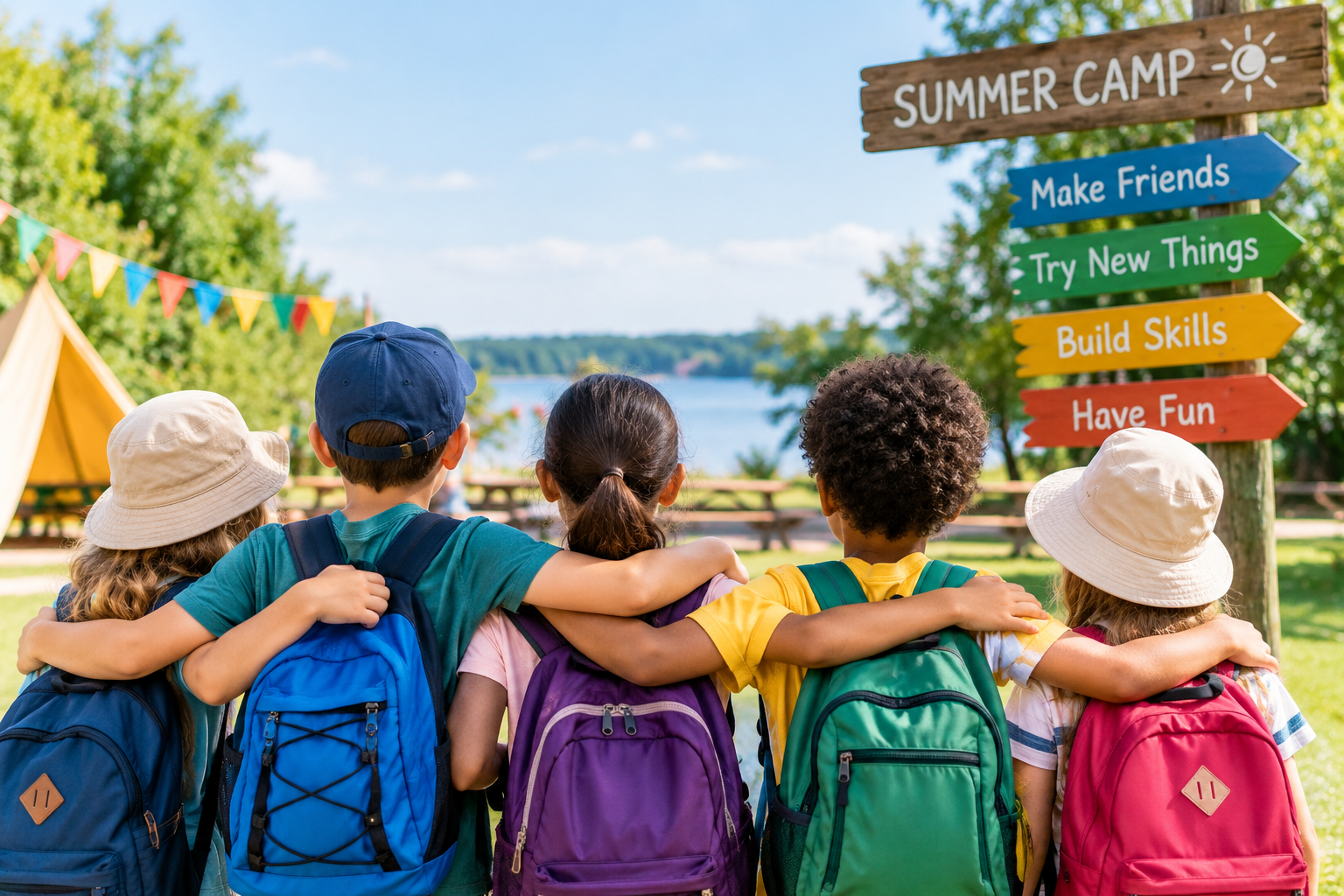

Coding for kids 2026 developing future-ready skills in 2026

The Ultimate Guide to Coding for Kids: Build Future-Ready Skills 2026

Coding for Kids: A Parent’s Guide to Building Future-Ready Skills

Coding for kids 2026 is becoming an increasingly valuable way for children to explore technology, creativity, and problem-solving.. As technology becomes an important part of everyday life, education, and future careers, learning how technology works can provide children with valuable skills.

Coding is no longer only a skill for future programmers. It can help children develop creativity, logical thinking, problem-solving, and confidence. Through age-appropriate coding activities and engaging learning programs, children can build valuable skills while having fun and exploring their own ideas.

What Skills Can Coding for Kids 2026 Develop?

Coding teaches children how to give instructions, understand patterns, solve problems, and create something from an idea. Instead of simply using technology, children can learn how technology works and how they can use it to create.

The importance of coding skills for kids in 2026 goes beyond learning a programming language. Coding can support important skills that children can use at school, in creative activities, and later in their professional lives.

Coding Builds Problem-Solving Skills

One of the biggest benefits of coding is that it encourages children to solve problems systematically. When a program does not work as expected, children have to identify the problem, think about possible solutions, and try again.

This process helps children understand that mistakes are part of learning. With regular practice, coding can make problem-solving feel like an interesting challenge rather than something to avoid.

Learning to Think Step by Step

Coding requires children to follow instructions in a logical order. They learn that completing one step correctly can help them move toward a larger goal.

This step-by-step approach can also support learning in other subjects. Children become more comfortable breaking complicated tasks into smaller and more manageable steps.

Breaking Big Problems Into Smaller Tasks

A large problem can sometimes feel difficult when viewed as one task. Coding teaches children to divide that problem into smaller parts.

For example, creating a simple digital project may require planning the characters, movements, instructions, and final result separately. Children can then work on each part until the complete project comes together.

Encouraging Logical Thinking

Logical thinking is another important part of coding education for kids 2026. Children learn to recognize patterns, understand cause and effect, and make decisions based on specific instructions.

These abilities can support children as they approach challenges in mathematics, science, technology, and everyday situations.

Building Confidence Through Practice

Learning something new does not always happen immediately. Coding gives children opportunities to experiment, make changes, and improve their projects.

When children see their own ideas become working digital projects, they can develop a greater sense of achievement and confidence in their ability to learn.

Coding Encourages Creativity

Coding is not only about logic. It can also be a creative activity where children turn their imagination into digital projects.

Children can create stories, animations, games, interactive activities, and other projects depending on their age and learning level. This combination of creativity and technology makes coding an engaging way to develop future-ready skills for kids 2026.

What Skills Can Coding for Kids 2026 Develop?

The benefits of coding extend beyond computers. Well-designed coding classes for kids in 2026 can help children develop a combination of technical, creative, and personal skills.

Critical Thinking and Logic

Coding encourages children to ask questions, examine problems, identify patterns, and make logical decisions. These skills can help them approach unfamiliar challenges with greater confidence.

Creativity and Innovation

Children can use coding to experiment with their own ideas. They can decide what they want to create and explore different ways of achieving their desired result.

This makes coding a useful activity for encouraging imagination and innovation alongside technical learning.

Problem-Solving and Decision-Making

Coding projects often involve challenges that require children to make decisions. They may need to determine what went wrong, select a different approach, and test the result.

Parents exploring coding for kids 2026 should consider their child’s age, interests, and learning level. Repeated practice can help children become more comfortable with challenges and develop a positive attitude toward problem-solving.

Communication and Collaboration

Many coding projects can be completed as group activities. Children can share ideas, discuss solutions, divide tasks, and work toward a common goal.

These experiences can strengthen communication and teamwork, which are among the essential skills for kids in 2026.

When Should Kids Start Learning Coding?

There is no single age that is right for every child. The best starting point depends on the child’s age, interests, attention span, and learning level.

The key is to make coding education for kids 2026 age-appropriate, interactive, and enjoyable rather than treating it like an advanced academic subject.

Coding for Younger Children

Younger children can begin with simple activities that introduce basic concepts such as sequencing, patterns, instructions, and cause and effect.

Visual coding tools and games can make these concepts easier to understand because children can learn through interaction rather than complicated text-based programming.

Coding for School-Age Children

Older children can gradually explore more advanced concepts and work on larger projects. Depending on their level, they may learn programming fundamentals, create interactive projects, or explore different areas of technology.

The goal should be steady skill development rather than rushing children into advanced programming.

How Coding Classes Help Children Learn

Structured learning can make it easier for children to develop coding skills consistently. The best coding classes for kids 2026 should focus on practical learning, age-appropriate activities, and opportunities for children to experiment.

Learning Through Projects and Activities

Children often learn effectively when they can apply what they have learned. Instead of only reading about coding concepts, project-based activities allow them to use those concepts in practical situations.

Projects can also make learning more enjoyable because children can see the results of their work.

Turning Ideas Into Digital Projects

One of the exciting parts of coding is seeing an idea become something interactive. Children can start with a simple concept and gradually develop it into a digital project.

This approach connects creativity with technology and supports the development of coding and digital skills for kids 2026.

How to Choose the Right Coding Program for Your Child

Parents have many options when looking for coding programs. Choosing the right program involves considering how the classes are designed and whether they match the child’s age and learning needs.

Age-Appropriate Learning

A good program should introduce concepts at a level children can understand. Younger learners may benefit from visual and activity-based learning, while older children can gradually explore more advanced coding concepts.

Practical and Engaging Activities

Look for programs that give children opportunities to create, experiment, and solve problems. Practical activities can make technology easier to understand and keep children engaged during learning.

Supportive Learning Environment

Children learn best when they feel comfortable asking questions and making mistakes. A supportive environment can encourage curiosity and help children develop confidence as they learn new concepts.

How Threex Academy Helps Kids Develop Future-Ready Skills

Threex Academy focuses on helping children explore learning through technology, creativity, and innovation. Its programs can provide children with opportunities to develop skills that are increasingly valuable in a digital world.

Coding and Digital Learning

Through coding and technology-focused activities, children can begin developing digital skills for kids in 2026 in an engaging and age-appropriate environment.

The focus is not simply on teaching children how to code but on helping them understand how technology can be used to create, explore, solve problems, and develop new ideas.

Developing Skills Beyond Coding

Coding can be one part of a broader learning experience. By combining technology with creativity, problem-solving, and collaboration, children can develop skills that support their learning both inside and outside the classroom.

Final Thoughts on Coding for Kids in 2026

Coding can give children more than technical knowledge. It can provide opportunities to develop logical thinking, creativity, problem-solving, communication, and confidence. With the right approach, coding for kids 2026 can help children develop valuable digital and problem-solving skills.

For parents, the goal should not necessarily be to make every child a programmer. Instead, coding can be introduced as an engaging way for children to understand technology, explore ideas, and develop future-ready skills for kids 2026.

With age-appropriate activities, practical projects, and a supportive learning environment, children can gradually build digital skills while enjoying the process of learning and creating. Digital learning can provide children with opportunities to develop technology skills alongside other forms of learning. Parents can also explore guidance from UNICEF on digital learning and children.
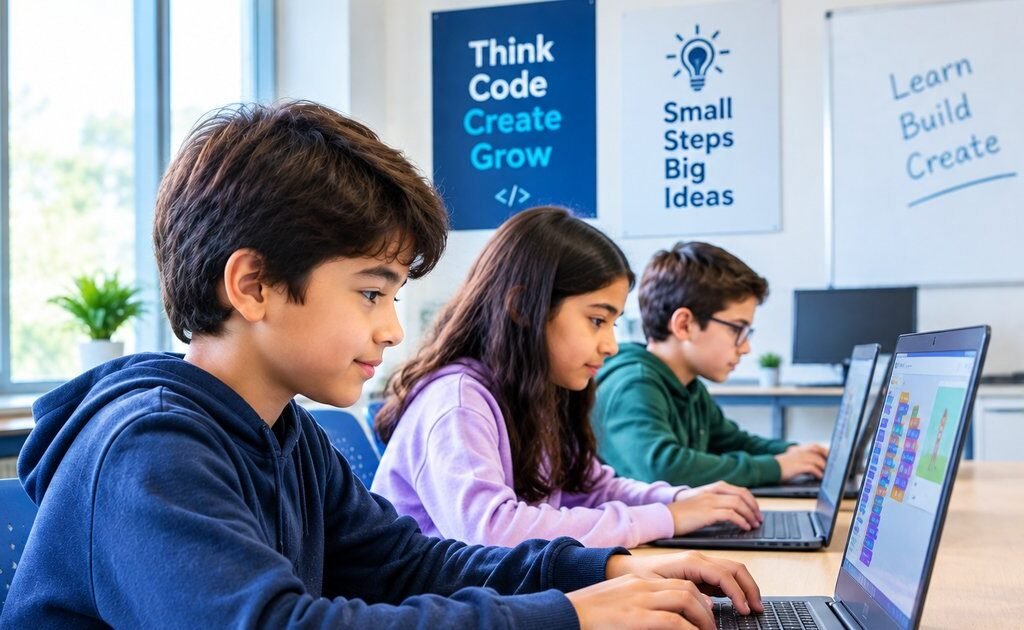
Coding for kids 2026 developing future-ready skills in 2026
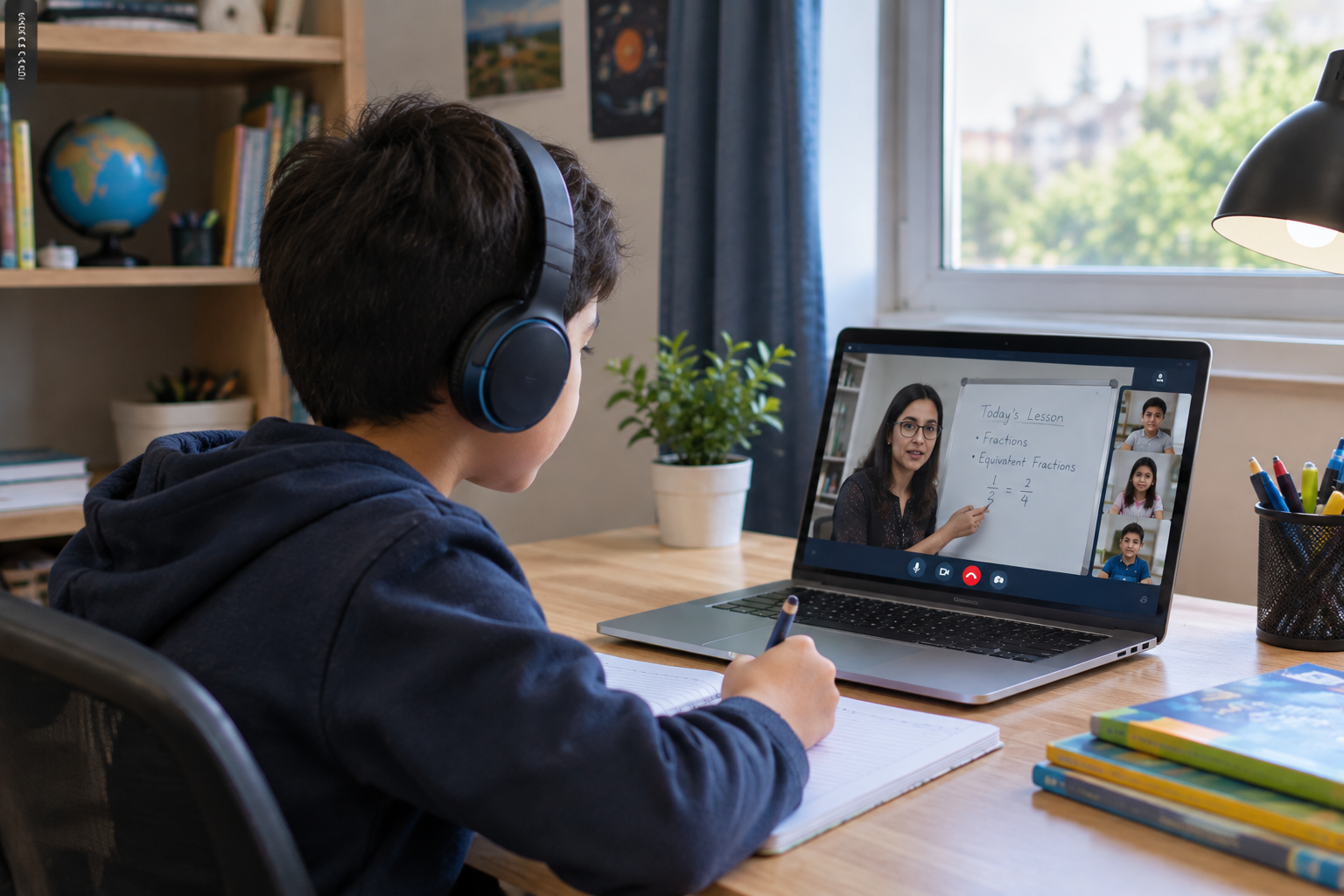
online schooling in 2026

Online Schooling in 2026: Proven Benefits for Your Child

online schooling in 2026

Introduction:

Education is changing quickly, and online schooling in 2026 is becoming more than simply watching lessons on a screen. Today, virtual study can include live classes, interactive activities, digital resources, teacher feedback, personalized learning and carefully selected technology.

For parents exploring online schooling in 2026, understanding these changes can help them choose a learning environment that fits their child’s needs.

Why Online Schooling in 2026 Is Growing?

Online schooling is a form of education where students learn through digital platforms instead of attending a traditional physical classroom every day. Depending on the school, children may attend live virtual classes, complete independent activities, communicate with teachers and submit assignments online.

A well-designed virtual school should still provide structure, curriculum-based learning and regular teacher support. Technology is the delivery method, but teaching remains at the centre of the experience.

Why Virtual Study Is Growing in 2026

Virtual study continues to develop as technology becomes more integrated into education. In Pakistan, efforts to strengthen distance learning are also receiving attention. In 2026, Cambridge reported working with Pakistan’s Ministry of Federal Education and Professional Training on national standards and an assessment framework intended to make distance learning more consistent and trusted. (Cambridge University Press)

This reflects a broader shift toward flexible learning options that can support children who cannot always access a traditional school environment.

AI Is Becoming Part of Digital Learning

One of the biggest online schooling trends in 2026 is the growing discussion around artificial intelligence. AI can potentially support teachers and students with personalized learning experiences, feedback and educational activities.

However, technology should not replace genuine learning. The OECD’s 2026 Digital Education Outlook emphasizes that AI can support learning when it is used with clear educational goals and teacher guidance. (OECD)

For children, this means AI should be used carefully and appropriately rather than simply providing ready-made answers.

Personalized Learning Is Becoming More Important

Every child learns differently. Some children need additional practice, while others may be ready to move ahead more quickly.

Modern online schooling can make it easier for teachers to provide different resources and activities according to individual learning needs. Digital platforms can also help teachers monitor assignments and identify areas where students may need additional support.

This can make virtual study more flexible while maintaining educational structure.

Live Classes Still Matter

Although online education uses technology, children still need meaningful interaction with teachers and classmates.

Live virtual classes allow students to ask questions, participate in discussions and receive explanations in real time. Teacher interaction can also help children stay engaged and understand that online schooling is not simply independent screen time.

A strong virtual learning environment therefore combines digital resources with real teacher involvement.

Digital Skills Are Becoming Essential

Children are growing up in a world where digital tools are increasingly part of education and everyday life. Learning through an online school can help students become comfortable with responsible technology use.

In 2026, AI literacy is also becoming an important educational topic. The OECD and European Commission have highlighted the need for students to understand AI, evaluate its outputs critically and use it responsibly. (OECD)

These skills can complement traditional abilities such as reading, writing, creativity and problem-solving.

Parents Still Have an Important Role

Successful virtual study does not mean parents have to become teachers. However, younger children often benefit from having a consistent study space, predictable routine and appropriate support at home.

Parents can help by checking schedules, encouraging regular breaks and communicating with teachers when their child needs additional help.

The goal is to create a balanced environment where children can learn independently while still having the support they need.

What Should Parents Look for in 2026?

When choosing an online school, parents should look beyond the technology. Consider the curriculum, teacher qualifications, class size, live interaction, assessment methods, communication with parents and technical support.

It is also worth asking how the school approaches AI, digital safety and student engagement. The OECD’s latest research emphasizes that digital education should remain human-centred and protect learners’ privacy, safety and learning needs. (OECD). As online schooling in 2026 continues to evolve, families have more options for flexible and technology-supported education.

The Future of Online Schooling

Online schooling in 2026 is evolving from simple digital lessons toward more interactive, flexible and personalized learning experiences. Virtual study can give families additional educational options while technology continues to develop.

The most valuable approach is not necessarily using the most technology. It is using technology purposefully, with qualified teachers, meaningful interaction and a clear focus on children’s learning.

For parents exploring education options in 2026, understanding these changes can make it easier to choose a virtual school that supports both academic development and responsible digital learning.


homeschooling vs virtual school

Homeschooling vs Virtual School: 7 Amazing Differences Every Parent Should Know

homeschooling vs virtual school
Illustration: families can combine home learning with teacher support.

Homeschooling vs Virtual School: 7 Essential Differences for Parents

Homeschooling vs virtual school is an important comparison for parents deciding how their child should learn at home. Both approaches can support learning outside a traditional classroom, but they can differ in structure, teacher involvement, flexibility and the amount of time parents need to provide.

Before choosing an approach, parents should consider who plans the lessons, who teaches the child, how progress is assessed and how well the learning routine fits the child’s needs and family schedule.

What Is Homeschooling?

Homeschooling usually means that parents or caregivers take the main responsibility for their child’s education. They may choose learning resources, plan lessons, organise the daily schedule and support the child during activities.

Some homeschooling families also use tutors, online classes or educational programs for particular subjects. This can give families more flexibility when planning the learning day.

One benefit of homeschooling is that families can often adapt the pace and activities to the child’s interests and needs. However, it can also require significant planning, time and involvement from an adult at home.

What Is a Virtual School?

A virtual school provides structured learning through online classes and digital platforms. Depending on the program, students may attend live lessons with teachers, complete assignments and receive feedback on their progress.

The level of structure can vary between virtual schools. Some provide lessons for only certain subjects, while others offer a more complete school-day program.

Parents should check whether the program provides live teacher interaction, regular assessments, learning materials and support. They should also ask about registration, examinations and certification if these are important for their child’s education.

Homeschooling vs Virtual School: Key Differences

The biggest difference is often who manages the learning process. In homeschooling, parents or caregivers generally have a larger role in planning and teaching. In virtual school, the school or program usually provides the curriculum, timetable and teacher-led lessons.

Flexibility can also differ. Homeschooling may allow families to adjust learning times more freely. A virtual school may have scheduled classes that children are expected to attend.

Parent involvement remains important in both approaches, especially for younger children. However, the type of support may be different. A homeschooling parent may spend more time preparing and teaching lessons, while a virtual-school parent may focus more on helping the child attend classes, complete activities and stay organised.

Which Option May Suit a Primary Child?

There is no single option that works for every child or family. When considering homeschooling vs virtual school, parents should look at their child’s age, learning style, independence and need for teacher interaction.

Some children may enjoy regular live classes and conversations with teachers and classmates. Other children may benefit from a more flexible learning routine that allows activities to be adjusted around family commitments.

For younger children, learning should also include appropriate breaks, hands-on activities, reading, creative work and offline play rather than relying only on screen-based activities. Parents can also review the World Health Organization’s guidance on physical activity, sedentary behaviour and sleep for children when planning a balanced daily routine.

Parents can make a more informed decision by asking for a sample weekly schedule, reviewing the subjects offered and speaking with the teacher or learning provider before enrolling.

Questions Parents Should Ask Before Choosing

Before making a decision, parents can ask:

  • Who plans and teaches the lessons?
  • How much time should parents expect to provide each day?
  • Are lessons live, recorded or a combination?
  • How is the child’s progress assessed?
  • What learning materials are included?
  • Is the program suitable for the child’s age?
  • Are there examinations, certification or formal registration options?

These questions can help families understand what the day-to-day experience will actually look like.

How Threex Academy Supports Different Learning Needs

Families looking for additional support can explore different learning options through Threex Academy. Its virtual school provides structured online learning, while its homeschooling support can help families who want additional educational guidance.

For children who benefit from more individual attention, one-to-one online lessons can provide teacher support around specific learning needs and goals.

Parents can also contact Threex Academy to discuss their child’s age, learning goals, available subjects, timings, books, assessment and fees before choosing an option.

Making the Right Choice for Your Family

Understanding the differences between homeschooling vs virtual school can help parents choose a learning approach that fits their child’s needs and family routine. Consider the amount of structure needed, the level of teacher support, the flexibility required and the time parents can realistically provide.

Rather than focusing only on the name of the learning model, look closely at how lessons are delivered and what support your child will receive. A clear understanding of the daily routine can help parents choose an approach that is practical, supportive and suitable for their child’s stage of learning.Parents can contact Threex Academy to discuss their child’s learning needs and available options.

can a 3-year-old learn online

Online Preschool for 3-Year-Olds: The Ultimate Guide to Successful Early Learning

can a 3-year-old learn onlineIllustration: early learning should include play and hands-on discovery.

Can a Three-Year-Old Learn Online? A Parent’s Guide to Early Learning

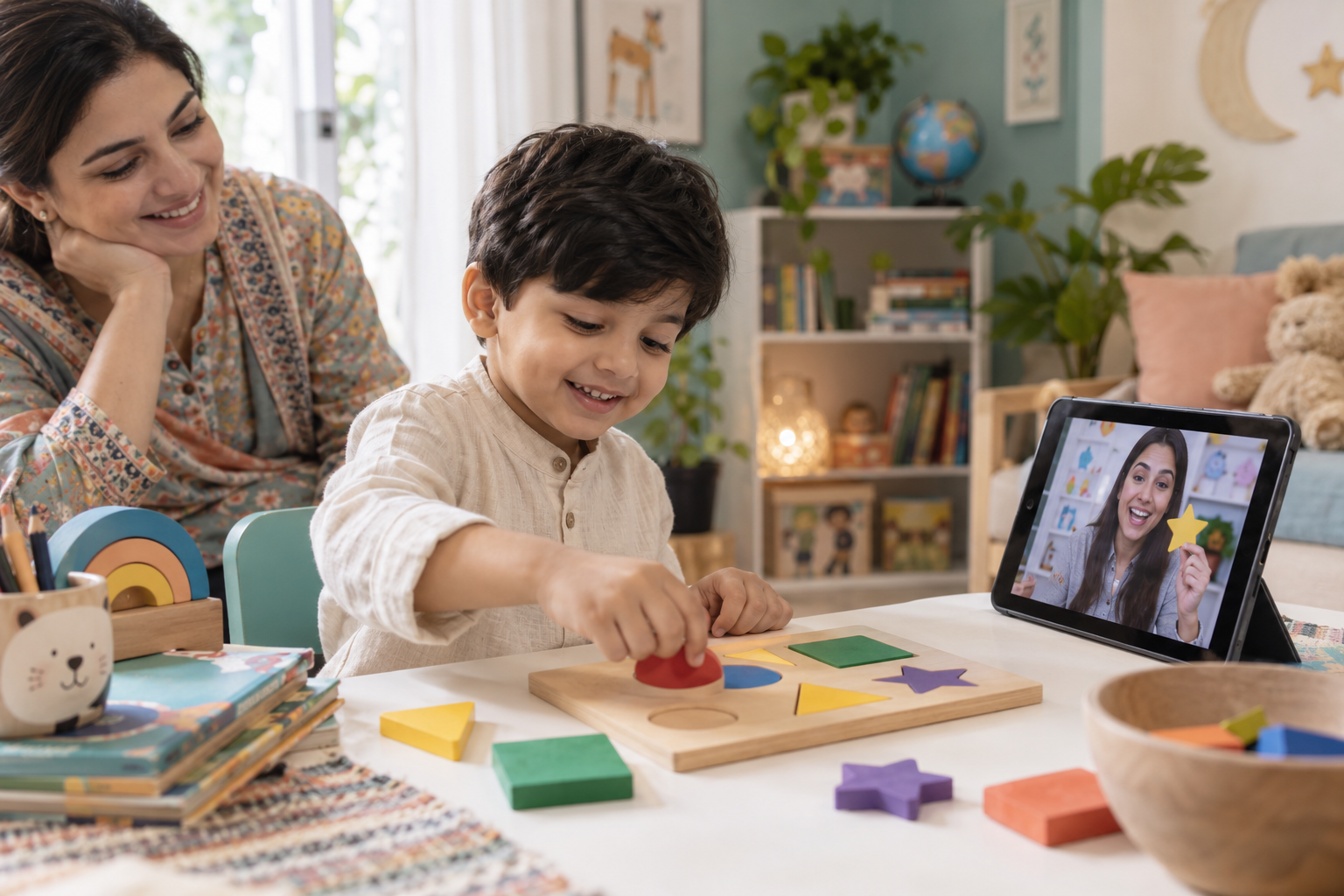
Can a 3-year-old learn online? Yes, with the right expectations. At this age, online learning should involve short periods of human interaction, a familiar adult nearby, and plenty of time for playing and exploring away from the screen. A preschool program should not be a full day of passive video watching.

For young children, the goal is not to recreate a traditional school day through a screen. Instead, online preschool can provide opportunities for conversation, songs, stories, early literacy, simple number activities and guided play while leaving plenty of time for hands-on discovery.

What to Ask a Preschool Provider

Before choosing an online preschool program, parents should understand how the sessions are designed and what their child’s daily experience will look like.

Consider asking:

  • How long are live sessions, and what happens between them?

  • Will my child talk to the teacher and other children?

  • What household materials or books will we need?

  • How does the teacher adapt if my child is shy or restless?

  • How much support does a parent need to provide?

  • Will progress be described through real observations rather than grades alone?

These questions can help parents understand whether a program is designed around the needs of young children rather than simply delivering lessons through a screen.

Can a 3-Year-Old Learn Online? Start With the Child

When asking can a three-year-old learn online, it is important to consider the individual child rather than focusing only on age.

Some 3-year-olds may enjoy talking to a teacher, joining a song or responding to simple questions. Others may need more time to become comfortable with online interaction. Attention spans can also vary from one child to another.

A supportive preschool program should allow room for movement, play and exploration. Children should not be expected to sit still for long periods or complete activities designed for older students.

Parents can observe how their child responds to sessions and communicate with the teacher about what works well. A flexible approach can help make early online learning more comfortable and meaningful.

A Gentle Sample Rhythm

A simple routine can combine short online interaction with plenty of offline activities.

Begin with a greeting and song. Spend a brief live period on a story, letter sound or number idea. Then step away from the device for a movement game or another active activity. Children can use blocks, crayons, puzzles or household objects to practise what they have explored with the teacher.

The session can close with reading together or another calm activity.

The exact timing should suit the child and the teacher’s plan. The important point is to create a balanced rhythm rather than expecting a three-year-old to spend a large part of the day in front of a screen.

Why Hands-On Play Still Matters

Young children learn through more than formal lessons. Building with blocks, drawing, sorting objects, looking at books, singing songs and playing pretend can all support early development.

Online learning can introduce an idea, but children often need opportunities to explore that idea away from the screen. For example, after learning about shapes, a child could look around the home for objects with different shapes. After a story, they could draw a favourite character or act out part of the story.

This combination of teacher interaction and hands-on discovery can make learning more active and age-appropriate.

Parents may also find it useful to review the WHO guidance on physical activity, sleep and screen time for children under five when planning a balanced routine.

How Threex Academy Approaches Early Years

At Threex Academy, our virtual-school pathway is intended to include playgroup and preschool foundations from age three.

We discuss readiness, language development and family routine before suggesting a class. The aim is to understand what the child needs and how online learning can fit naturally into the family’s day.

PParents wondering can a 3-year-old learn online should consider their child’s attention span, comfort with technology and interest in teacher-led activities. If you would like to discuss your child’s needs, you can contact our team to learn more.

Making Online Preschool Work for Your Child

So, can a 3-year-old learn online? They can take part in meaningful online learning when the experience is designed appropriately for their age and supported by an adult.

When asking can a 3-year-old learn online, parents should look for short, engaging sessions that include interaction, play and hands-on activities.Make space for movement, play, reading and hands-on activities throughout the day. Most importantly, pay attention to your child’s responses and choose a routine that feels manageable for your family.

Online preschool does not need to replace childhood play. With the right approach, teacher interaction can become one small part of a wider early-learning experience.

virtual school in Pakistan

Virtual School in Pakistan: A Parent’s Guide to Consistent Learning

virtual school in Pakistan
Illustration: a teacher-led online classroom.

Virtual school in Pakistan can provide families with a structured learning routine when travel, weather or other disruptions make the regular school day unpredictable. A virtual school can offer live teaching and structure at home, provided it is designed around the child rather than a screen full of worksheets.

For many families, the right online learning approach should include teacher interaction, manageable live sessions, time away from the device and appropriate support from parents or caregivers.

What Should You Expect From a Virtual School in Pakistan?

Ask for a sample timetable. Primary pupils need a clear start, manageable live sessions, time to move, reading and hands-on tasks away from the device. Younger children need even more play and adult support. A good class gives each child chances to answer, ask questions and practise; it is more than watching a recorded lecture.

How to Choose the Right Virtual School in Pakistan

Choosing a virtual school in Pakistan requires more than checking the timetable or course list. Parents should look at how teachers communicate with children, how lessons are delivered and how progress is monitored over time. A smaller live class may give children more opportunities to participate, ask questions and receive feedback.

It is also worth asking how the school handles different learning needs. Younger children may need more guidance from an adult at home, while older pupils may be able to complete more tasks independently. Families should also understand the expected daily routine, technology requirements and what happens if a child misses a live lesson.

Before enrolling, ask the provider to explain the curriculum, class format, assessment process and parent communication. Taking time to understand these details can help families choose a learning arrangement that fits their child’s age, needs and home routine.

Five questions to ask before enrolling

  1. Who teaches the class? Ask about the teacher’s qualifications, experience and the number of children in each live session.
  2. What is taught? Request the grade-specific subject outline, books, learning goals and assessment approach. If you need a particular examination or certificate, ask how it is provided before paying.
  3. How will you hear about progress? Look for examples of teacher feedback and a regular parent update.
  4. What happens when connectivity fails? Ask how work is shared and how a missed class can be recovered.
  5. How much parent support is expected? A three-year-old and an older primary pupil have very different needs.

Keeping learning going during disruptions

UNICEF Pakistan has documented how flood risks can interrupt children’s access to school and how preparation, learning materials and temporary learning spaces help protect continuity. This does not mean every family should switch permanently to online school. It does show the value of a practical backup plan: keep a reading habit, a small set of offline activities, and a clear way to contact your child’s teacher.

At home, try a simple rhythm: a short teacher check-in, reading together, a maths game using household objects, movement, then independent drawing or writing. If conditions are unsafe, follow local official guidance first; learning can resume when the family is safe.

For families considering a virtual school in Pakistan, having a clear learning routine can make it easier to continue education when regular school attendance is disrupted.

How Threex Academy can help

Choosing a virtual school in Pakistan means looking at more than just online lessons. Parents should also consider teacher support, curriculum, class format, communication and the child’s individual learning needs.

We offer teacher-led virtual school, homeschooling support and one-to-one lessons. We begin by asking about your child’s age, level and goals, then explain the available timetable and learning plan. Contact us to request the current curriculum outline, class format and fees.

Further reading: UNICEF Pakistan, “Learning Through It All” (March 2026).

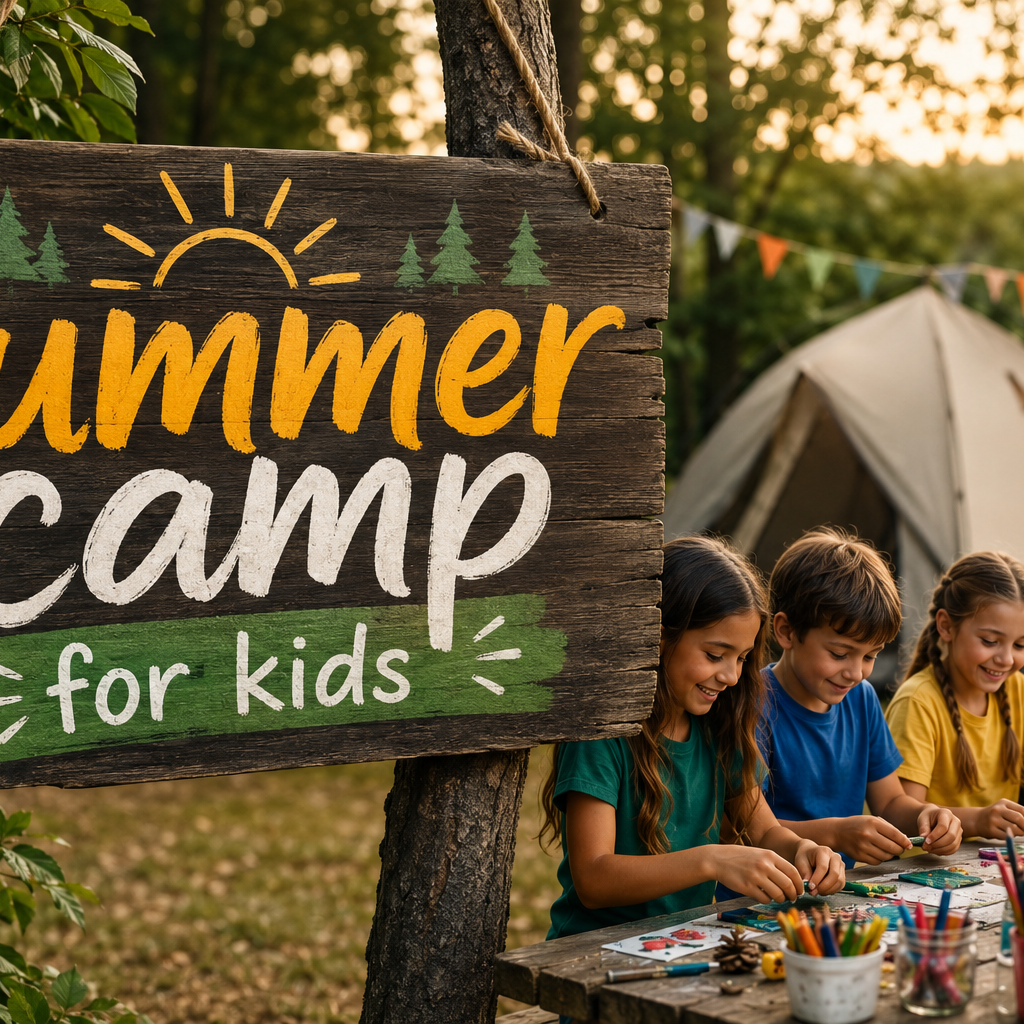
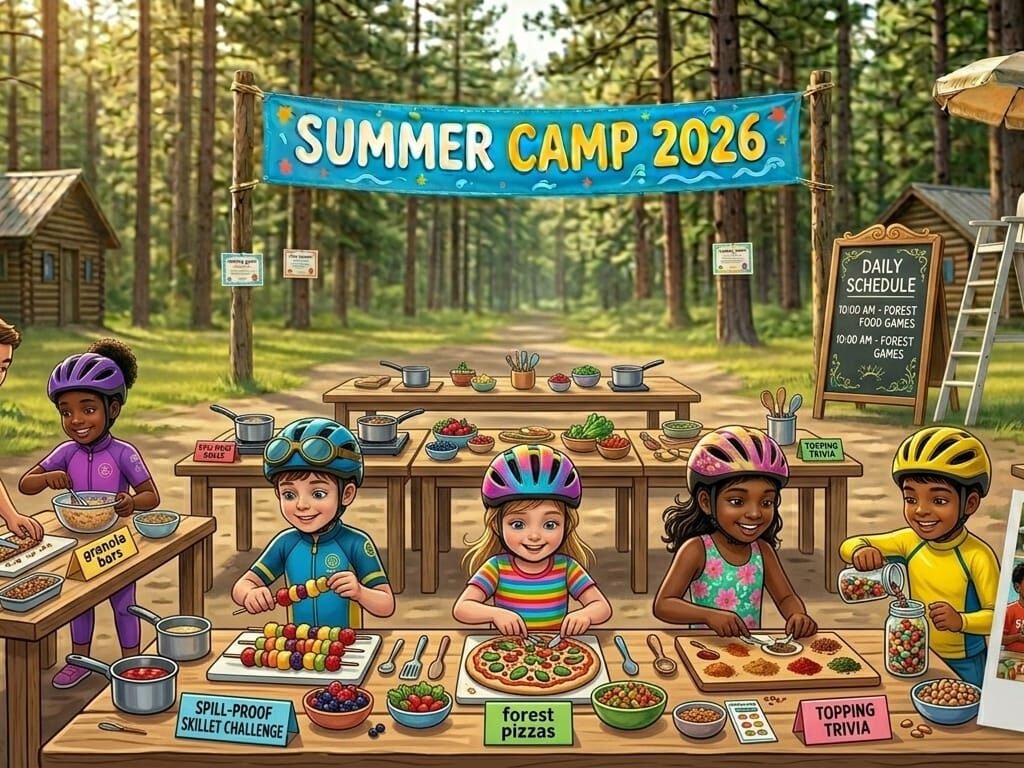
Children participating in a summer camp activity in 2026

How to Choose the Right Summer Camp for Your Child: Essential Guide 2026

Summer break gives children a chance to step away from their regular classroom routine, explore new interests, make friends, and develop valuable skills. Knowing how to choose the right summer camp for your child can help parents make a confident decision.For parents, however, How to Choose the Right Summer Camp for Your Child in 2026 can feel overwhelming. With so many programs available, how do you know which one will provide a meaningful experience for your child?

The best summer camps 2026 are not simply about keeping children busy during school holidays. A well-planned summer camp can combine learning, creativity, social interaction, and enjoyable activities in an environment where children can discover new interests.

If you’re planning your child’s summer, this guide will help you understand what to look for when choosing a summer camp and which factors can make a program worthwhile.

Children participating in a summer camp activity in 2026

Why Summer Camps Are Important for Children in 2026

Not every summer camp offers the same experience. Before registering your child, consider several important factors. Children today are growing up in a rapidly changing world. Alongside traditional academic knowledge, they increasingly need communication, creativity, teamwork, critical thinking, and digital skills.

Summer camps can give children opportunities to practise these skills outside the traditional classroom. Instead of simply reading about a concept, children may learn through activities, collaboration, projects, challenges, and hands-on experiences.

A good summer camp for kids can also provide a healthy balance between structured learning and enjoyable activities. This can make the summer break more productive while still allowing children to have fun and explore their interests.

For parents searching for summer camps for kids in 2026, the goal should therefore be more than finding a convenient schedule. It should be finding an experience that matches the child’s interests, age, abilities, and learning needs.

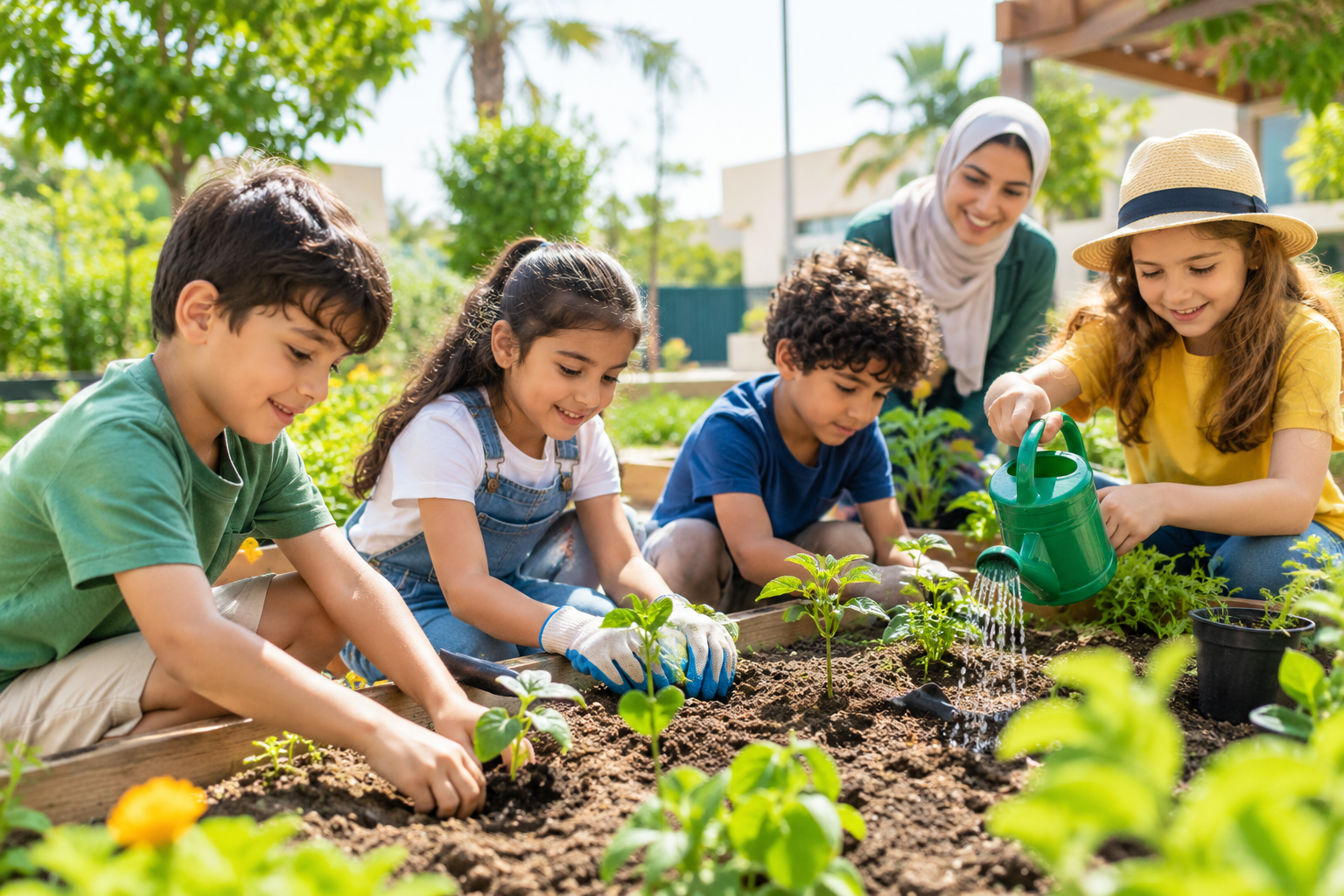
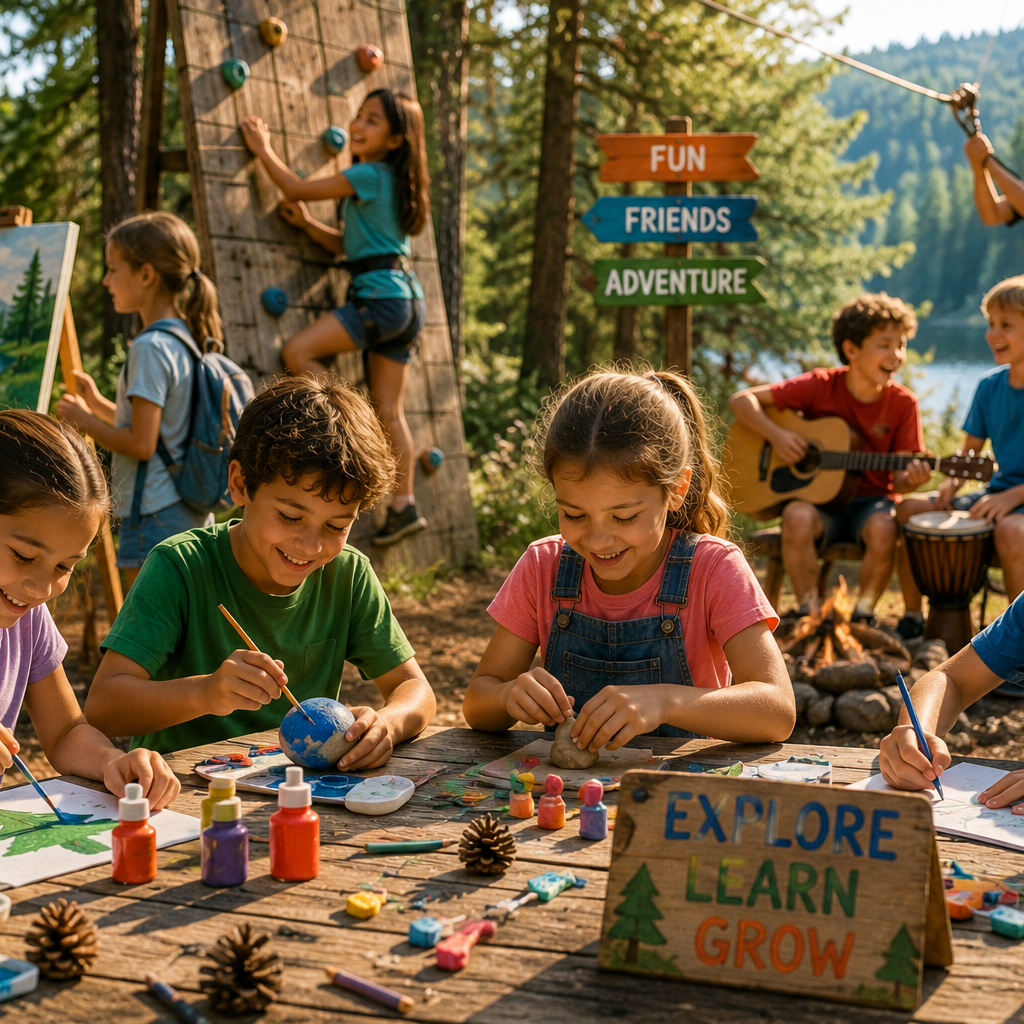
Children participating in a gardening activity at summer camp

What to Look for When Choosing a Summer Camp

Understanding how to choose the right summer camp for your child starts with considering their age, interests, and learning needs. Not every summer camp offers the same experience. Before registering your child, consider several important factors.

Age-Appropriate Summer Camp Activities

The activities should be suitable for your child’s age and development level. Younger children may benefit from creative, interactive, and activity-based experiences, while older children may enjoy projects that encourage greater independence and problem-solving.

Look for a program where activities are designed with the children’s age and interests in mind rather than simply offering the same experience to everyone.

Learning and Skill Development Opportunities

A summer camp can be an excellent opportunity for children to learn something new without the pressure of regular school.

Look for programs that encourage creativity, communication, collaboration, critical thinking, and practical problem-solving. Depending on the camp, children may also have opportunities to explore technology, science, arts, entrepreneurship, or other areas of interest.

The strongest educational summer camps aim to make learning engaging rather than making children feel as though they are simply attending another classroom.

Qualified Instructors and Mentors

The people leading the activities can have a major impact on a child’s experience.

Parents should consider whether instructors have appropriate experience working with children and whether they can create an environment that encourages participation, questions, creativity, and teamwork.

A supportive instructor can help children feel comfortable trying something new and participating in group activities.

Safety, Supervision, and Child Well-Being

Safety should always be one of the first things parents consider when choosing a summer camp.

Before registering, parents should understand how children are supervised, what safety procedures are followed, and how the program handles emergencies or unexpected situations.

A well-organised summer safety camp should make parents feel confident that children’s well-being is treated as a priority.

Camp Schedule and Program Flexibility

Consider whether the camp schedule works for your family’s routine.

Parents may want to look at the program’s dates, daily schedule, duration, activities, and registration requirements. It’s also worth considering whether the program provides enough variety to keep children interested throughout the experience.

What Skills Can Children Develop at Summer Camp?

One of the biggest advantages of summer camps is the opportunity to develop skills outside traditional academic subjects.

Communication and Social Skills

Group activities encourage children to communicate with others, share ideas, listen to different perspectives, and build new friendships.

These experiences can help children become more comfortable interacting with people outside their usual school environment.

Creativity and Critical Thinking

Creative activities can encourage children to experiment, ask questions, develop ideas, and look at problems from different perspectives.

Rather than focusing only on whether an answer is correct, activity-based learning can give children opportunities to explore how they think and create.

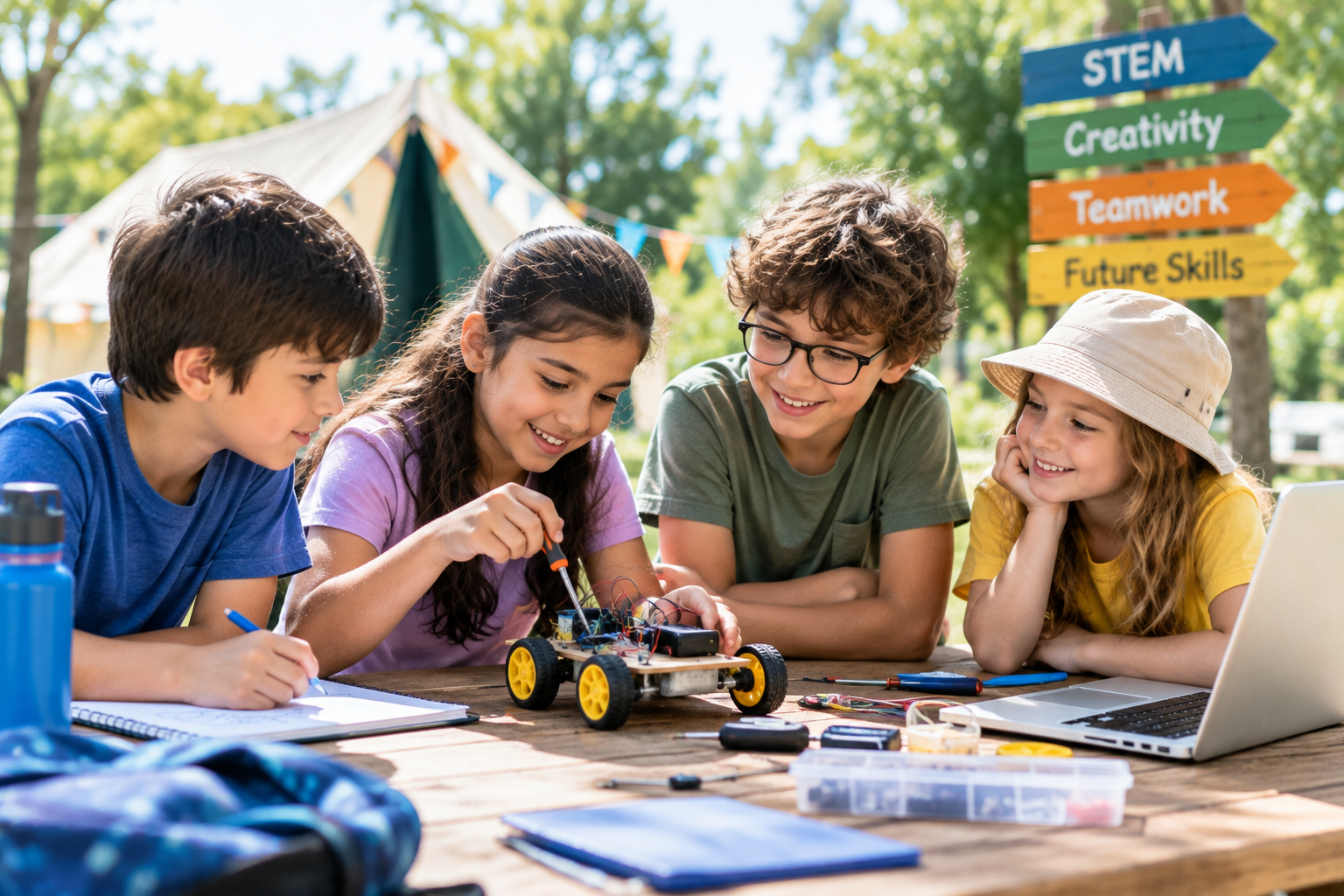
Children developing creativity and critical thinking through a STEM activity

Teamwork and Leadership

Many summer camp activities for kids involve collaboration. Children may need to work together, divide responsibilities, share resources, or contribute ideas to complete an activity.

These experiences can introduce children to teamwork and leadership in a natural and engaging way.

Problem-Solving and Decision-Making

Challenges and projects can encourage children to think through situations and find solutions.

Developing problem-solving skills during childhood can help children approach future challenges with greater confidence and persistence.

Digital and Future-Ready Skills

Technology continues to influence education and the workplace. For this reason, opportunities to develop digital literacy and other future-ready skills can be valuable additions to a child’s learning journey.

Parents can look for programs that introduce technology in an age-appropriate and purposeful way.

What should be done before considering any program

How to Choose the Right Summer Camp for Your Child in 2026 becomes easier when you know what your child needs from the experience.

Consider Your Child’s Interests

Start with your child.

What subjects, activities, or hobbies do they enjoy? A child who loves creating things may respond differently to a camp than a child who enjoys technology, science, sports, or collaborative activities.

When children are interested in what they are doing, they are more likely to participate actively.

Review the Camp Schedule and Duration

Make sure the dates and timings fit your family’s schedule.

You should also consider whether your child would be more comfortable with a shorter program or a longer experience.

Ask About Safety and Supervision

Avoid choosing a camp based on one factor alone.

Compare the activities, learning opportunities, schedule, environment, instructors, and overall suitability for your child. The most expensive or popular option isn’t automatically the best choice.

Questions Parents Should Ask Before Choosing a Summer Camp

Before registering, parents can ask:

What age groups does the camp accommodate?
What activities are included?
What skills can children develop?
Who leads the activities?
How are children supervised?
What does a typical camp day look like?
What are the program dates and timings?
What should children bring?
How does registration work?
What support is available if a child needs assistance?

Getting clear answers can make the decision easier and help ensure that the program matches your expectations.

How to Prepare Your Child for Summer Camp

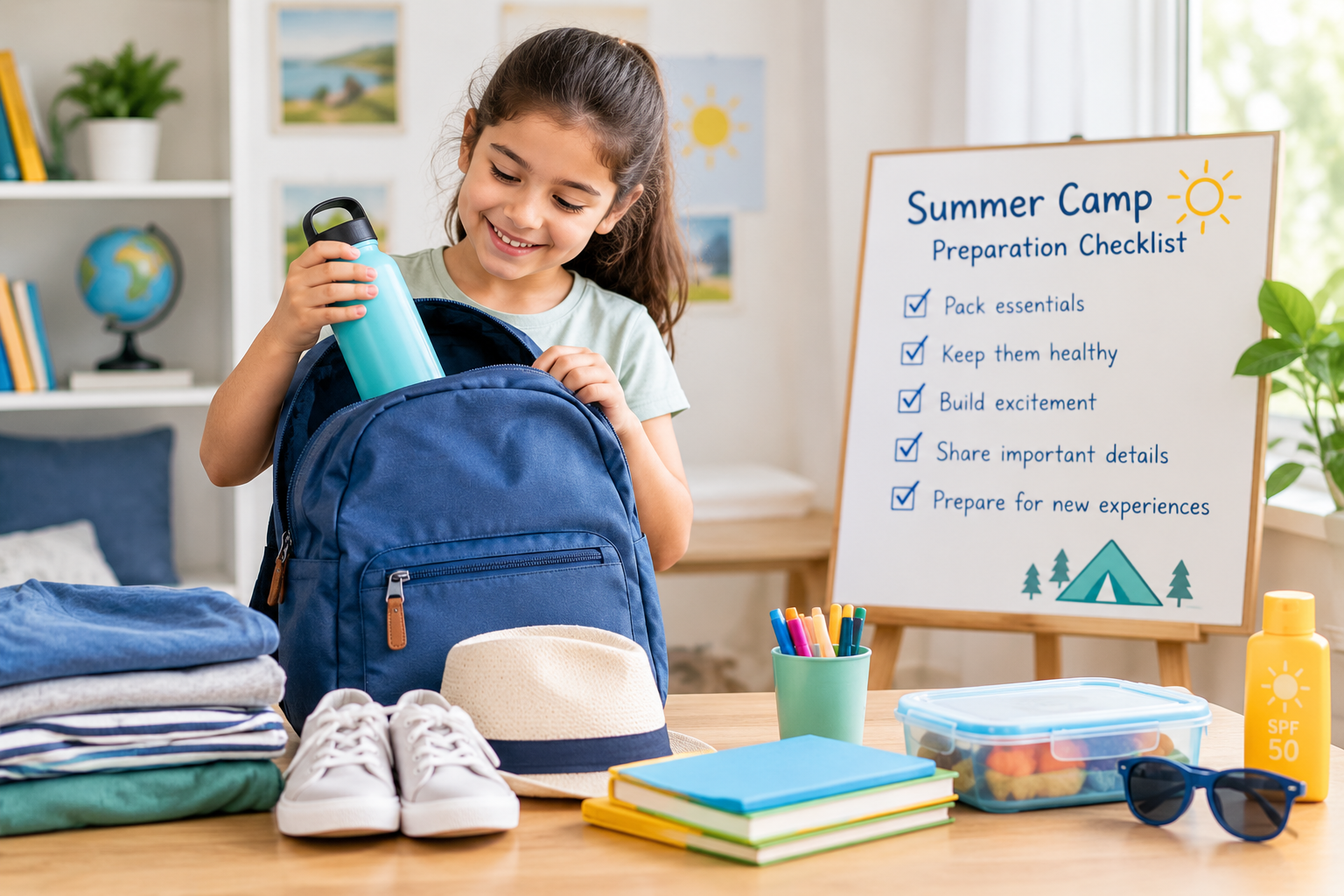
Once you’ve selected a program, talk to your child about what they can expect.

Explain the basic schedule, activities, and goals of the camp. Encourage them to ask questions and share anything they may be nervous or excited about.

You can also help them prepare by discussing simple things such as meeting new people, participating in group activities, asking instructors for help, and trying unfamiliar activities.

The goal isn’t to make your child feel pressured to have a perfect summer. It’s to help them approach the experience with curiosity and confidence.

Child preparing for summer camp with a backpack and essentials

Why you should use threeX academy for your kids for summer camp 2026

Learning how to choose the right summer camp for your child can help you select a program that supports learning, confidence, and enjoyment is an important decision for parents who want their children to make good use of their school break.

ThreeX Academy’s focus on learning and modern education makes it a relevant option for families looking for opportunities that go beyond traditional classroom learning. Its existing public content highlights flexible, digital-first approaches to learning, reflecting the changing ways students engage with education.

For parents considering summer camps 2026, the best next step is to review ThreeX Academy’s current summer-camp information and choose the program that best matches their child’s interests and needs.

Final Checklist for Choosing a Summer Camp in 2026

Before making your final decision, consider:Is the camp suitable for your child’s age?

Does it include activities your child will enjoy?
Does it provide meaningful learning opportunities?
Are the instructors experienced?
Are safety and supervision clearly addressed?
Does the schedule work for your family?
Will your child have opportunities to interact with others?
Does the program support creativity and skill development?
Have you compared the available options?

A summer camp can be much more than a way to fill the school holidays. With the right program, children can explore new interests, meet new people, build confidence, and develop skills that can support them well beyond the summer.

How to choose the right summer camp for your child

Frequently Asked Questions About Summer Camps 2026

What age is best for summer camp?

There isn’t one perfect age for every child. The right time depends on the child’s independence, interests, comfort level, and the age range supported by the particular camp.

What activities are offered at summer camps?

Activities vary by program. They may include educational projects, creative activities, technology, science, teamwork, games, and other age-appropriate experiences.

What are the benefits of summer camps for children?

Summer camps can provide opportunities for children to develop communication, teamwork, creativity, confidence, problem-solving, and other practical skills while participating in enjoyable activities.

How do I choose the right summer camp for my child?

Choose a summer camp based on your child’s age, interests, safety, activities, schedule, and location. Look for a program that offers a healthy mix of learning, creativity, physical activities, and social development while providing a safe and supportive environment.

What skills can children learn at summer camp?

Depending on the program, children can develop communication, teamwork, creativity, critical thinking, problem-solving, leadership, and digital skills.

Are educational summer camps also fun?

Yes. Learning doesn’t have to feel like traditional classroom work. Well-designed summer camp activities can combine education, creativity, social interaction, and enjoyment.

How Digital Dreamers Helps Kids Become Future-Ready in Saudi Arabia-Essential Skills for 2026 and Beyond

How Digital Dreamers Helps Kids Become Future-Ready in Saudi Arabia: Essential Skills for 2026 and Beyond

Why Future Skills Matter More Than Ever

Future-Ready Skills for Kids in Saudi Arabia 2026 are becoming essential as children prepare for a rapidly evolving world. Parents are now looking beyond academic grades and focusing on creativity, critical thinking, digital literacy, and adaptability. These skills help young learners build confidence and succeed in future careers shaped by technology and innovation. Through the right learning experiences, children can develop habits that support lifelong growth and success.

Parents increasingly recognize that future-ready skills for kids in Saudi Arabia 2026 are just as important as academic achievement. Children also need essential skills for children such as emotional intelligence and decision-making. These abilities help them face challenges with confidence and clarity in real life situations.

Supporting Saudi Vision 2030 Through Education

Saudi Arabia is transforming its education system under Saudi Vision 2030 education goals. The focus is shifting toward creativity, innovation, and technology. Schools and programs now encourage students to think beyond textbooks and develop real-world abilities.

This is where skill development programs for kids play a powerful role. They help children become active learners instead of passive listeners. When children build career readiness skills for kids, they are better prepared to contribute to the country’s future economy and innovation goals.

Building Digital Literacy From an Early Age

Technology is part of every child’s daily life. However, using devices is not the same as understanding them. Digital literacy for kids teaches children how to use technology safely, wisely, and creatively. It turns screen time into learning time.

Through digital skills development, children learn how apps work, how information is shared, and how to stay safe online. This builds awareness and responsibility. Parents interested in expanding these abilities can explore our Digital Literacy Programs for Kids to help children use technology safely and confidently.

UNICEF Parenting:
https://www.unicef.org/parenting

Coding Introduces Creative Thinking

Coding is not just typing instructions. It is a way of thinking logically and creatively at the same time. Through coding classes for children, kids learn how to break problems into small steps and build solutions step by step.

This process strengthens creative problem solving and teaches patience. When a code does not work, children try again and learn from mistakes.Our Coding Classes for Kids provide hands-on experiences that strengthen logical thinking and creative problem-solving skills.

STEM Learning Sparks Curiosity

STEM education Saudi Arabia is becoming an important part of modern learning. It combines science, technology, engineering, and mathematics in a fun and practical way. Children explore how things work in the real world.

These hands-on learning experiences turn complex topics into simple discoveries. Children may build small models, test ideas, or solve simple experiments. Parents can also discover our STEM Programs for Kids, designed to make science and technology exciting through practical activities.

Developing Critical Thinking Skills

Children today are exposed to a huge amount of information.Developing future-ready skills for kids in Saudi Arabia 2026 enables children to evaluate information and make thoughtful decisions. This helps them make smart decisions in daily life.

When children practice critical thinking and innovation, they learn to ask questions, compare ideas, and find better answers. This makes them independent thinkers who do not rely only on memorization.

Developing Critical Thinking Skills

Children today are exposed to a huge amount of information. They need critical thinking skills to understand what is true and what is not. This helps them make smart decisions in daily life.

When children practice critical thinking and innovation, they learn to ask questions, compare ideas, and find better answers. This makes them independent thinkers who do not rely only on memorization.

Problem Solving Through Play

Play is one of the strongest learning tools for young children. Through problem-solving activities for children, kids learn how to face challenges in a fun and safe way. Games and puzzles help them think deeply without pressure.

This type of learning builds strong problem-solving habits. Children try different ideas, fail sometimes, and try again. This process strengthens their confidence and thinking abilities in natural ways.

Encouraging Teamwork and Communication

Working with others is an important life skill. Children learn 21st-century skills for kids like sharing ideas, listening, and cooperating in group tasks. These skills are important in school and future careers.

Through group activities, children develop better communication and respect for others. They also learn how teamwork leads to better results than working alone.

Leadership Starts Young

Leadership is not about age. It is about responsibility and action.rograms focused on future-ready skills for kids in Saudi Arabia 2026 help young learners become confident leaders.

These experiences build confidence and leadership building abilities early in life. Children start believing in themselves and understand that their voice matters in a group.

Confidence Shapes Lifelong Learning

Confidence plays a key role in a child’s growth. When children feel safe to try new things, they learn faster. Strong confidence and leadership building helps them stay motivated even after mistakes.

Children who develop essential skills for children early become more independent. They enjoy learning because they are not afraid of failure. This creates lifelong learners who are ready for any challenge.

Why Parents Choose Skill Development Programs

Parents in Saudi Arabia are increasingly choosing skill development programs for kids because they offer more than academic learning. These programs focus on creativity, communication, and emotional growth.

They help children build a strong foundation for the future. Many families also choose our Summer Camps for Kids, where learning and fun come together to build essential life skills.

Preparing Children for Opportunities Beyond 2026

The future is unpredictable, but preparation is possible. Children who develop future-ready skills for kids in Saudi Arabia 2026 can adapt to any career path that appears in the coming years.

Instead of focusing only on specific jobs, children build flexibility. This helps them grow in any direction the future demands

How Parents Can Reinforce Future-Ready Skills at Home

Parents play a powerful role in shaping a child’s learning journey. At home, simple daily habits can strongly support future-ready skills for kids in Saudi Arabia 2026. Talking with children, asking open questions, and encouraging them to explain their ideas helps build stronger thinking patterns. These small actions naturally support digital skills development and improve confidence over time without pressure.

Children learn best when they feel supported and safe. When parents create space for curiosity and exploration, children develop stronger independence. This environment also improves critical thinking and innovation because children start solving problems on their own instead of waiting for answers.

Creating a Supportive Learning Environment

A strong home environment helps children grow faster and more confidently. Parents should encourage curiosity, allow mistakes, and celebrate effort instead of perfection. This type of environment builds hands-on learning experiences where children feel free to explore ideas without fear.

When children are supported consistently, they develop stronger essential skills for children like patience, focus, and creativity. Over time, this also strengthens their emotional stability and willingness to try new challenges.


Celebrating Progress Over Perfection

Children do not need to be perfect. They need encouragement. When parents celebrate small improvements, children feel motivated to keep learning. This approach builds long-term confidence and reduces fear of failure.

Investing in future-ready skills for kids in Saudi Arabia 2026 gives children the adaptability needed to succeed in tomorrow’s world.

Future-Ready Skills for Kids in Saudi Arabia 2026: How Digital Dreamers Prepares Children for Success

Introduction:

Best summer camp for kids in Qatar and UAE 2026 offers children an exciting opportunity to transform summer break into a season of learning, creativity, and skill development.. While many families focus on relaxation, a summer camp for kids can transform the holiday into a season of growth, discovery, and achievement. These programs combine fun with meaningful learning through engaging skill development activities that keep young minds active. From science experiments to outdoor adventures, children gain practical experience while building friendships and confidence. Many parents choose educational summer programs because they help prevent learning loss and encourage personal growth for children. In 2026, parents across Qatar and the UAE are increasingly turning to skill development camps to ensure their children enjoy productive, enriching, and future-focused summer experiences. Through hands-on learning and exciting challenges, camps create memorable experiences that develop essential abilities and prepare children for future success.

Why Summer Break Should Be More Than Just Time Off

For many families in Qatar and the UAE, summer vacation has traditionally been associated with travel, relaxation, and family gatherings. However, as the world becomes increasingly competitive and technology-driven, parents are recognizing that long school breaks also present valuable opportunities for growth. In 2026, many families are looking beyond entertainment and seeking experiences that combine enjoyment with meaningful development.

Long periods without intellectual engagement can lead to reduced motivation and forgotten academic concepts. This reality has encouraged parents across Doha, Dubai, Abu Dhabi, and other cities to explore productive ways to keep children inspired throughout the holidays. One of the most effective solutions is enrolling children in skill development camps that blend fun, exploration, creativity, and education.

Modern camps have evolved far beyond recreational activities. Through structured programs, children participate in exciting projects, collaborative challenges, and real-world experiences that support academic growth, social development, and future success.

Why Parents Are Choosing Skill Development Camps for Summer Learning

Across Qatar and the UAE, more families are investing in educational summer programs because they recognize the importance of continuous development. Parents increasingly value experiences that help children build leadership, communication, creativity, and problem-solving skills alongside academic knowledge. These camps provide practical learning opportunities that prepare children for future success in a rapidly evolving world.

Another reason many parents choose camps is flexibility. Children can explore new interests without the pressure of grades or examinations. Through engaging projects and interactive experiences, they develop communication skills, teamwork skills, and problem-solving skills. At the same time, they enjoy friendships, adventure, and memorable experiences. This balance makes summer learning programs one of the most effective ways to keep children engaged throughout the break.

How Summer Camps Help Prevent Learning Loss During Vacation

Research has shown that children can experience learning loss during extended school breaks, highlighting the importance of structured educational activities during summer vacations.

Link: https://www.summerlearning.org/

 With many international schools in Qatar and UAE offering extended summer breaks, parents often seek structured activities that keep children mentally active. Educational camps provide an effective way to maintain learning momentum while allowing children to enjoy their holidays. During long breaks, some students lose knowledge and skills acquired during the academic year. Reading proficiency, mathematics performance, and study habits can decline when learning stops completely. Fortunately, high-quality summer educational camps provide a practical solution. They keep young minds active through engaging projects, discussions, and challenges that reinforce important concepts.

Rather than relying on traditional instruction, camps use hands-on learning experiences that make education enjoyable. Children participate in experiments, creative workshops, and collaborative assignments that strengthen retention. This active approach encourages critical thinking and deeper understanding. As a result, many students return to school better prepared and more motivated than peers who spent the entire break disconnected from learning.

The Role of Skill Development Camps in Building Confidence and Independence

Confidence rarely develops by accident. It grows when children face challenges, overcome obstacles, and experience success. Quality camps create opportunities for young participants to step outside their comfort zones. Whether presenting ideas, leading projects, or solving problems, children gain valuable experiences that contribute to long-term confidence building and self-reliance.

Independence also develops naturally in camp settings. Away from familiar routines, participants learn to make decisions and manage responsibilities. These experiences strengthen leadership skills and encourage personal accountability. Through carefully designed activities, camps promote personal development while helping children recognize their strengths. Many families notice remarkable improvements in maturity and self-confidence after only a few weeks of participation.Parents looking for the best summer camp for kids in Qatar and UAE 2026 often prefer programs that combine STEM learning, creativity, and leadership development.

Essential Life Skills Children Learn Through Summer Camp Experiences

Success in life requires much more than academic knowledge. Modern camps focus heavily on developing practical life skills that support both personal and professional growth. Through group projects and collaborative exercises, children strengthen communication skills and learn how to work effectively with others. These abilities remain valuable throughout education and future careers.

Equally important are adaptability and resilience. Camp participants frequently encounter new situations that require flexibility and creative thinking. These experiences nurture problem solving, emotional awareness, and sound decision-making. Over time, children become more capable of handling challenges independently. Such experiences support lasting personal growth for children and prepare them for increasingly complex environments.

Why Hands-On Learning Creates Better Long-Term Results

Educational experts consistently emphasize the effectiveness of experiential learning. When children actively participate rather than simply observe, information becomes more meaningful and memorable. This principle explains why hands-on learning remains a cornerstone of successful youth enrichment programs. Through direct involvement, learners gain practical understanding while developing confidence in their abilities.

Imagine a child learning engineering concepts by building a small robot rather than reading about it in a textbook. The experience creates stronger connections and deeper comprehension. This method encourages creativity, experimentation, and curiosity. Consequently, child development activities built around active participation often produce stronger long-term results than passive instruction alone.

How Technology and STEM Camps Are Shaping Future Innovators

Technology continues to transform nearly every industry. Because of this shift, many families enroll their children in STEM summer camps that introduce science, technology, engineering, and mathematics through engaging experiences. These programs expose participants to emerging fields while making complex subjects approachable and exciting.

Many camps now include coding camps, robotics, engineering challenges, and digital design workshops Organizations such as the Qatar Foundation continue to promote STEM learning opportunities that prepare young people for future careers.

Link:  https://www.qf.org.qa/

Children learn how technology influences the modern world and gain valuable exposure to future career paths. More importantly, they develop future-ready skills that can benefit them throughout their educational journey and beyond.

The Importance of Social Interaction and Teamwork in Summer Camps

Strong relationships play a crucial role in childhood development. While schools provide social experiences, camps often create a different environment where children interact with peers from various backgrounds. These interactions encourage meaningful friendships and help participants strengthen their social skills in natural settings. Through collaborative projects and group challenges, children discover how effective communication contributes to shared success.

Working together toward common goals also develops valuable teamwork abilities. Camp participants learn to listen, cooperate, and respect different perspectives. These experiences improve teamwork skills while encouraging empathy and understanding. In an increasingly connected world, the ability to collaborate effectively has become one of the m ost valuable traits young people can possess.

How Skill Development Camps Support Emotional Growth and Resilience

Emotional strength helps children navigate challenges both inside and outside the classroom. Quality camps provide supportive environments where participants learn how to manage setbacks, adapt to change, and build perseverance. Through carefully designed experiences, children gain greater self-awareness and emotional maturity. These outcomes contribute significantly to long-term confidence and well-being.

Resilience develops when young people face manageable challenges and discover their ability to overcome them. Whether learning a new skill or completing a demanding project, camp experiences encourage persistence. These opportunities strengthen emotional intelligence while promoting personal development. As children become more comfortable facing obstacles, they gain confidence in their ability to succeed in unfamiliar situations

Popular Types of Skill Development Camps in Qatar and the UAE

Qatar and the UAE offer a wide variety of summer camps for kids in 2026 designed to meet different interests, learning styles, and future goals. Parents can choose from STEM academies, leadership workshops, sports camps, entrepreneurship programs, language enrichment courses, and creative arts experiences tailored to the region’s multicultural communities.

Many modern camps combine multiple disciplines within one program. A child may spend mornings learning coding and robotics before participating in art projects, public speaking sessions, or team sports during the afternoon. This flexibility keeps children engaged while exposing them to a broad range of valuable experiences that support both personal and academic growth.

How Skill Development Camps Prepare Children for Future Success

The workplace of tomorrow will require adaptability, collaboration, and innovation. Skill development camps help children cultivate these capabilities early. Through project-based experiences and real-world challenges, participants strengthen future-ready skills that complement traditional academics. These experiences provide a strong foundation for lifelong learning.

Career success depends on more than technical expertise. Employers consistently value communication, leadership, and problem-solving abilities. By participating in enrichment programs, children begin developing these competencies years before entering the workforce. Such preparation contributes to stronger career readiness and a more confident transition into adulthood.

How Summer Camps Help Children Discover Hidden Talents and Interests

Many children possess talents that remain undiscovered during the regular school year. Camps provide opportunities to explore unfamiliar subjects in low-pressure environments. A child who has never considered engineering may become fascinated by robotics. Another may discover a passion for public speaking, art, or entrepreneurship.

Exploration encourages curiosity. It also helps children develop a deeper understanding of their interests and strengths. Through diverse summer camp activities, participants gain exposure to fields they may never encounter elsewhere. These discoveries often influence future educational choices and inspire long-term goals.

Case Study: Discovering a Passion Through Camp

A twelve-year-old student from Dubai enrolled in a technology-focused summer camp with very little programming experience. Throughout the program, the student participated in coding projects, robotics challenges, and collaborative engineering activities. By the end of the camp, a genuine interest in software development had emerged.

Several years later, that same student pursued advanced technology courses and eventually selected computer science as a future field of study. This example illustrates how meaningful exposure through UAE skill development camps can shape children’s aspirations and unlock talents they never knew they possessed.

The Long-Term Academic Benefits of Summer Learning Programs

Academic success often depends on consistent engagement. Quality summer learning programs help maintain intellectual momentum during long breaks. Rather than losing progress, students continue building knowledge through practical applications and collaborative projects. This approach supports stronger retention and increased enthusiasm for learning.

Research consistently shows that active summer participation contributes to improved classroom performance. Children who engage in structured educational activities often return to school with greater focus and motivation. Their experiences strengthen academic growth while reinforcing concepts learned throughout the previous school year.

How to Choose the Right Skill Development Camp

Selecting the right camp requires thoughtful consideration. Parents should begin by identifying their child’s interests, strengths, and goals. Some children thrive in technology-focused environments. Others may benefit more from arts, sports, or leadership programs. Matching camp experiences to individual interests increases engagement and enjoyment.

Safety and instructional quality should also influence decision-making. Families should review staff qualifications, program structure, and learning objectives. High-quality camp programs provide clear educational value while maintaining supportive environments. Careful research helps ensure that the selected experience delivers meaningful results and lasting benefits.

Key Benefits of Skill Development Camps for Children

The advantages of camp participation extend far beyond entertainment. Children develop stronger communication skills, improved problem-solving skills, and enhanced leadership skills through practical experiences. They also gain valuable friendships and increased self-confidence. These outcomes contribute to both personal and academic success.

Participation in creative learning experiences, child development activities, and structured challenges helps children become more adaptable and capable. Through exposure to diverse perspectives and opportunities, they strengthen social skills, expand their knowledge, and develop qualities that support lifelong achievement.

Why Parents in Qatar and the UAE Are Investing in Summer Camps in 2026

Across Doha, Dubai, Abu Dhabi, and other major cities, summer camps have become an important part of children’s development plans. Parents increasingly understand that future success requires more than strong academic performance. Skills such as leadership, communication, adaptability, creativity, and critical thinking are equally essential.

As a result, many families are actively searching for Qatar summer camps for kids, summer camps in Dubai 2026, and summer camps in Abu Dhabi that provide practical learning experiences. Whether children attend coding boot camps, STEM workshops, entrepreneurship programs, creative arts classes, or public speaking sessions, these experiences help them develop confidence and future-ready abilities in a supportive environment.

Investing in educational summer experiences allows children to enjoy their holidays while gaining lifelong skills that prepare them to thrive in an ever-changing world.Choosing the best summer camp for kids in Qatar and UAE 2026 helps children gain confidence, practical skills, and meaningful summer experiences.

Conclusion: Transform Summer Break into a Learning Adventure with Skill Development Camps

Summer offers far more than a temporary escape from school. It provides a unique opportunity for growth, discovery, and meaningful development. By choosing high-quality educational summer programs in Qatar and the UAE, families can help children gain valuable knowledge while enjoying memorable experiences. From STEM summer camps in Qatar to creative enrichment programs in Dubai and Abu Dhabi, these opportunities combine fun with purpose and transform ordinary vacations into pathways for lasting growth.

As the demands of the future continue to evolve, investing in skill development has become increasingly important. Through hands-on learning and engaging educational experiences, children develop the confidence, knowledge, and abilities needed for future success. Parents who choose the best summer camp for kids in UAE or educational camps in Qatar give their children an advantage that extends far beyond the summer season.

“The best education often happens when children don’t realize they are learning because they are too busy exploring, creating, and growing.”

FAQs

What is the best summer camp for kids in Qatar and UAE?

The best camps combine fun with skill development through STEM, leadership, sports, and creative activities.

Are summer camps in Dubai and Doha worth it?

Yes. They help children build confidence, maintain learning momentum, and develop future-ready skills.

What age is suitable for summer camps?

Most camps in Qatar and the UAE accept children between 4 and 16 years old.

How do I choose the right summer camp?

Consider your child’s interests, safety standards, staff qualifications, and learning objectives.

Learning to code with online guidance

Top Online Summer Courses for Kids in UAE, Saudi Arabia & Qatar (2026 Guide)

Summer vacations in the Gulf are long, and for many parents the biggest concern is simple: how to keep kids engaged, productive, and learning instead of just spending hours on screens. The good news is that online summer courses for kids in UAE, Saudi Arabia, and Qatar have evolved into highly interactive, skill-based programs that actually deliver results.

This 2026 guide will help you understand the best options, what to look for, and how to choose the right course for your child.


🌍 Why Online Summer Courses Are Ideal for Gulf Students

https://images.openai.com/static-rsc-4/nr3x5ZHMr0yHwR-oWe3grrQeo8ku8tONrUcKzbdmkV-lJ-wzp5VHbHgYGM0D2EZz2SeT2J03RJzMDsIC7HKBA5C6NvGrxd_KLOKVau3NYBbivnhYuKbpa4t884JoXp2klBIavp_lnoo-19NkOqjHWQ7NOCgPXLk6LgtyGJEg4Gb4oB7FrEHnpeAmE5N_lc_Q?purpose=fullsize

With extreme summer heat in countries like UAE and Saudi Arabia, outdoor activities are limited. That’s why online summer camps for kids in the Middle East have become a practical and powerful solution.

Key Benefits:

  • ✔ Safe indoor learning environment
  • ✔ Flexible timings for UAE, KSA, Qatar
  • ✔ Access to global-quality education from home
  • ✔ Focus on both skills and academics

🎯 What Makes a Good Online Summer Course?

Not all courses are equal. Parents should look for programs that go beyond just “keeping kids busy.”

Essential Features:

  • Live interactive classes (not just recordings)
  • Skill-based learning (communication, coding, problem-solving)
  • Qualified teachers with structured curriculum
  • Engagement & activities to avoid boredom
  • Progress tracking or feedback

🚀 Top Online Summer Courses for Kids (2026)

https://images.openai.com/static-rsc-4/nU4-DUQ3L7NihqfR2JQe0xvQ38h6xAGwJzzzBJMujDJmlYvdhi0rbhkkVEXpd22QHjtiQBF3waEShpTA0Lceco-wARa0MqZeNdS9r5J1TvAn8YnfYHyrG8RZZFJn0YOlrcl0eRJevFry3g6FNUyhPvxn6CWvvpa3ZwYrFh-2jRhec2gfYzHFuDpFryhfMSy8?purpose=fullsize

Here are the most in-demand and effective summer programs for kids:


💡 1. Communication & Confidence Building

These courses help children:

  • Improve English speaking
  • Build confidence
  • Express ideas clearly

👉 Ideal for younger kids and shy learners


💻 2. Coding & Digital Skills

Kids learn:

  • Basic programming (Scratch, beginner coding)
  • Logical thinking
  • Problem-solving

👉 Perfect for future tech skills


🎨 3. Creative Thinking & Activities

Includes:

  • Art, storytelling, creativity exercises
  • Brain development activities
  • Fun-based learning

👉 Keeps kids engaged while learning


📚 4. Academic Preparation (Matric & FSC)

For older students:

  • Physics, Chemistry, Biology/Math
  • Concept strengthening
  • Preparation for upcoming academic year

👉 Highly valuable for serious students


🌟 Why Parents Prefer Structured Online Academies

Many parents in UAE, Saudi Arabia, and Qatar prefer structured academies because they provide:

  • Organized learning plans
  • Professional teachers
  • Regular class schedules
  • Better discipline and consistency

Instead of random YouTube learning, a structured online academy ensures real progress.


🧠 How to Choose the Right Course for Your Child

Before enrolling, ask yourself:

  • What does my child need more? (skills or academics)
  • Is the course interactive enough?
  • Are timings suitable for Gulf time zones?
  • Does it keep my child engaged?

👉 The best course is the one your child enjoys AND benefits from


🔥 Final Thoughts

Online summer courses are no longer just optional — they are becoming essential for modern learning. Whether it’s coding, communication, or academic preparation, the right program can:

  • Boost confidence
  • Improve skills
  • Prepare your child for the future

🚀 Give Your Child a Smarter Summer

If you’re looking for interactive online summer camps for kids in UAE, Saudi Arabia, Qatar, and Pakistan, choose a program that focuses on real skills, engagement, and results.

👉 Enroll now and turn this summer into a growth opportunity for your child.